
Fountain Pen Nib Sizes Explained: How to Choose EF, F, M or B
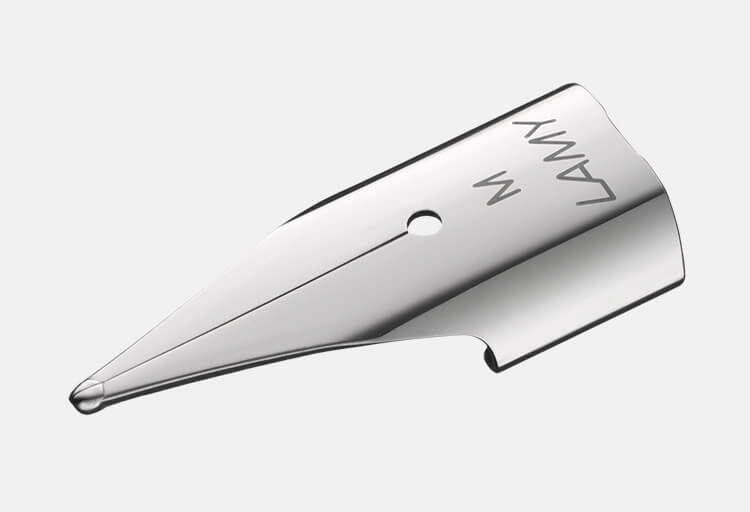
Of all the questions I get asked at the shop, this is the one I hear most. Someone will be standing at the counter with two pens that look almost identical, turning them over, and they'll look up and ask, "Okay - what's actually the difference?" Nine times out of ten, the answer comes down to the nib.
The nib is the little metal tip that touches the paper, and its size decides how thick or thin your line is, how wet the ink lays down, and honestly, how the whole pen feels in your hand. It's the single most important choice you'll make, and it's the one people overthink the most. So let me walk you through fountain pen nib sizes the way I would if you were here in person - no jargon, just what each one is actually like to write with.
Key Takeaways
- Nib size = line width. EF (Extra Fine) is the thinnest, then F (Fine), M (Medium), and B (Broad) is the widest and wettest.
- Finer nibs suit small handwriting, fast notes and thin or cheap paper. Wider nibs suit journaling, signatures and showing off ink shading.
- Japanese nibs run finer than Western ones, a Japanese Medium often writes like a European Fine.
- Not sure? Start with a Fine. It's the most versatile size across the widest range of paper.
- Many nibs can be swapped later, so you're not locked in for life.
What a nib size actually means
When you see a fountain pen listed as EF, F, M or B, that letter is telling you the width of the line it puts down, Extra Fine, Fine, Medium or Broad. A finer nib draws a thinner, more precise line and uses a little less ink; a broader nib lays down a wider, wetter, more expressive line.
There's no "best" size, only the best size for you. A finer nib is brilliant for small handwriting, tight spreadsheets in a planner, or cheaper office paper where a wet line would bleed. A broader nib is glorious for signatures, journaling, and showing off the shading and sheen of a good ink. Once you understand that trade-off, choosing gets a lot easier.
If you lean toward broader nibs, pair them with fountain-pen-friendly paper — Leuchtturm1917 notebooks in Canada handle wetter lines without feathering or bleed-through.

The main fountain pen nib sizes
Here's how the four everyday sizes break down, and who each one tends to suit.
Extra Fine (EF) - The thinnest of the standard nibs. Crisp, precise, and economical with ink. If your handwriting is small, you take a lot of quick notes, or you write on thin paper that bleeds easily, EF is your friend. The trade-off is that it can feel a touch scratchy and "toothy," because there's less ink cushioning the nib against the page.
Fine (F) - The everyday all-rounder, and the one I steer most beginners toward. It's precise enough for normal handwriting and notes, but smoother and a little more forgiving than an EF. If you're not sure where to start, a Fine nib is rarely the wrong answer.
Medium (M) - A touch wider and noticeably wetter, with a smooth, pleasant glide. Medium nibs start to show off what fountain pen ink can really do, the shading, the depth of colour, which is why a lot of enthusiasts drift toward them over time. They're lovely for journaling and longer writing sessions, though they do want better paper to look their best.
Broad (B) - Bold, juicy, and expressive. A Broad nib turns your handwriting into something with real presence, and it's the size that makes shimmering and shading inks sing. It's not the one for tiny margins or photocopy paper, but for signatures, calligraphy-adjacent writing, and pure enjoyment, nothing beats it.
Broader nibs lay down more ink, which is exactly how sheening and shading inks show their character, pair your nib with a colour from our range of bottled fountain pen ink.
You'll also run into stub and italic nibs, which have a flat edge that makes downstrokes thick and sideways strokes thin. They add instant flair to your handwriting, think wedding envelopes and journal headers, but I'd treat them as a fun second pen rather than your first, since they take a little practice to angle correctly.
Quick nib size cheat sheet
| Nib size | Line | Best for |
|---|---|---|
| Extra Fine (EF) | Thinnest, driest | Small handwriting, fast notes, thin paper |
| Fine (F) | Thin, precise | Everyday writing, beginners, mixed paper |
| Medium (M) | Wider, wetter | Journaling, longer sessions, ink shading |
| Broad (B) | Widest, juiciest | Signatures, expressive writing, shimmer inks |
| Stub / Italic | Thick down, thin across | Flourish, headers, decorative writing |
Japanese vs Western nib sizes (the bit that trips people up)
Here's the thing almost nobody mentions until you've already bought the wrong pen: Japanese nibs run finer than Western ones. A Medium from a Japanese maker like Pilot or Platinum will often write closer to a European Fine. A German Medium from Lamy or Pelikan will feel a clear step wider.
So if you love a fine, precise line, a Japanese pen is a wonderful place to look. If you want that smooth, generous flow, a German or Italian nib in the same letter size will give you more of it. It's not a flaw, it's just two different traditions, but knowing it ahead of time saves a lot of "this isn't what I expected" moments. When in doubt, it's always worth asking, which is half of why we keep so many pens uncapped and ready to try at the shop.
Does the nib material change the size?
People often mix up nib size with nib material, so let me clear it up: a steel nib and a gold nib in the same letter - say, two Fines, put down roughly the same line width. The material doesn't change the size on the label.
What it can change is the feel. Gold nibs (usually 14k or 18k) tend to have a little more "give," a softer, springier feel that some writers adore. Steel nibs are firmer, more consistent, and far easier on the wallet, and a good steel nib writes beautifully, which is why so many of my favourite everyday pens have one. Don't let anyone tell you a steel nib is a compromise. Choose your size for how you write, and treat steel-versus-gold as a separate, feel-based decision once you know which width you like.

How to choose the right nib size for you
Three quick questions usually settle it.
How will you mostly use it? Fast note-taking, planners, and small daily writing lean fine (EF–F). Journaling, letters, and relaxed writing where you want the ink to look beautiful lean medium to broad (M–B).
How big is your handwriting? Small, tidy writers are happier with EF or F, because a broad nib will smush the loops together. If your writing is large and loopy, a Medium or Broad gives it room to breathe.
What paper and ink will you use? On thin or cheap paper, a finer nib bleeds and feathers less. On good fountain-pen-friendly paper, a wider nib rewards you with shading and sheen. Wetter inks also "write a size up," so a Medium with a wet ink can behave like a Broad.
If you're still torn, start with a Fine. It's the most versatile, and it's the size you'll reach for on the widest range of paper. You can always add a wider pen to the collection later, and trust me, you will.
Can you change a fountain pen's nib later?
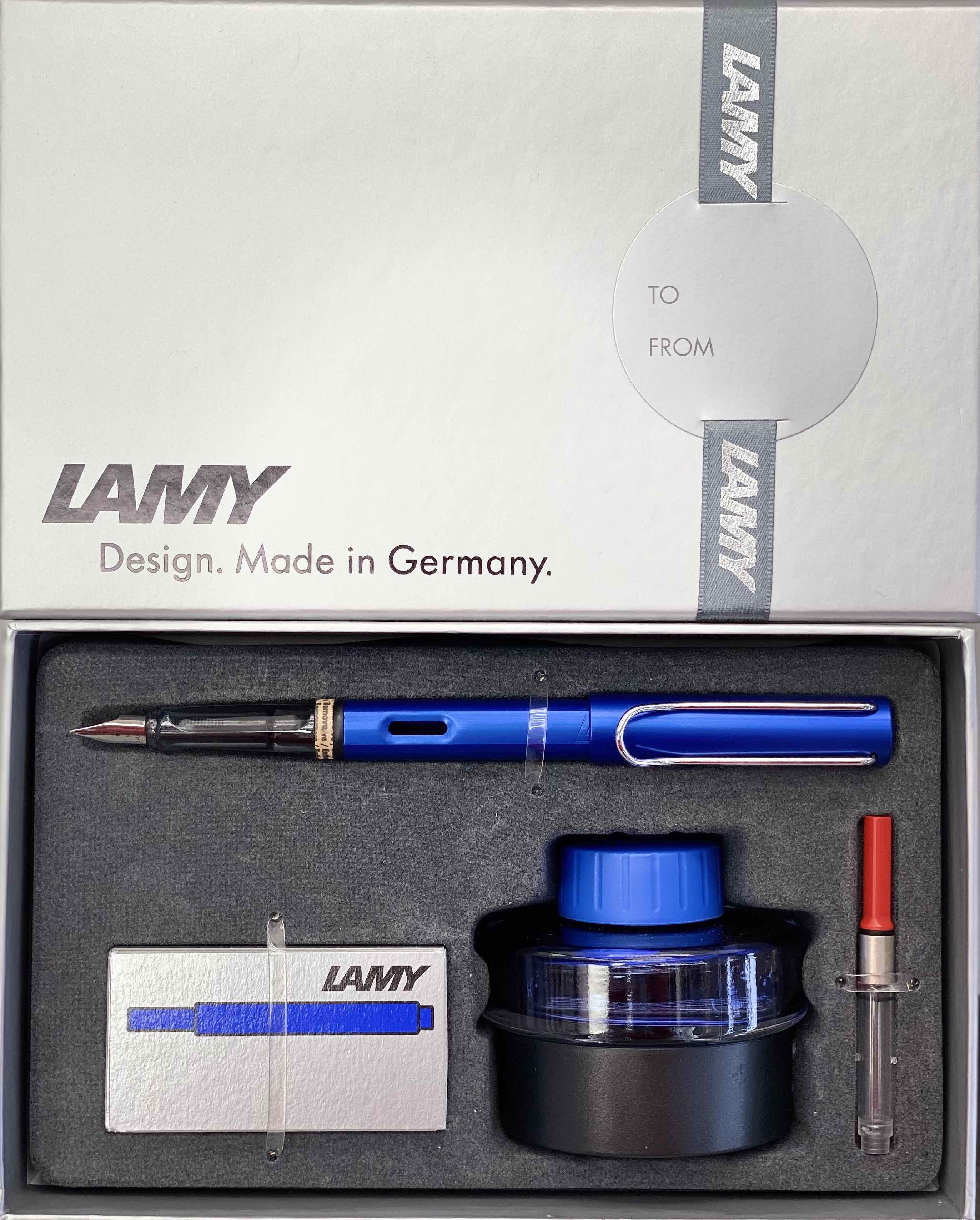
Good news: often, yes. Some pens make it genuinely easy. The Lamy Safari, for example, has a friction-fit steel nib you can pull off and swap in seconds, so you can own one pen and a little set of spare nibs in different sizes and change your line on a whim. Other pens have nib units that screw out, and some high-end pens are best left to a professional. Most brands sell spare nibs separately, you can browse our refills and accessories collection to see what's available for your pen before committing to a new size. If the idea of building a pen you can re-tune appeals to you, that swappability is worth factoring into your first purchase, and our guide to Lamy nibs, converters and cartridges walks through exactly how it works.
A few beginner-friendly pens with great nibs
If you're choosing your very first pen, these are the ones I hand across the counter most often, and all come in a range of nib sizes:
- Pilot Kakuno - A genuinely lovely, affordable Japanese pen with a smiley face on the nib (yes, really) and a famously smooth fine point. Wonderful for small, neat handwriting.
- Lamy Safari - The everyday workhorse, with that swappable nib so you can experiment as you go.
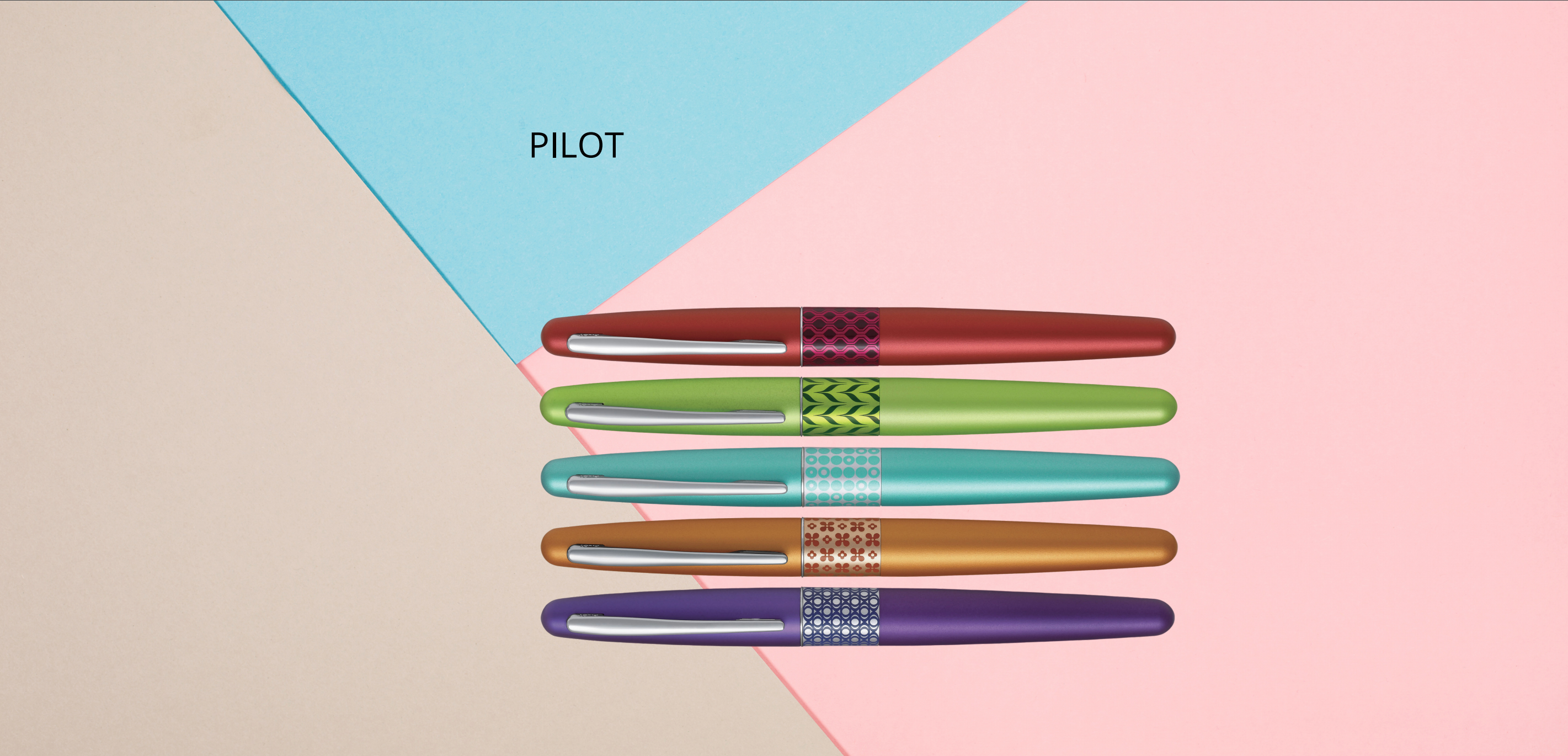
- Pilot Metropolitan and the TWSBI Eco - A little more grown-up: a metal body on one, a fill-from-the-bottle piston on the other, both with reliable nibs.
If you'd like a wider view of where these sit against the rest, our best fountain pens in Canada guide lays out the top picks by category and budget.

Frequently asked questions about fountain pen nib sizes
1. What nib size is best for beginners?
A Fine (F) nib is the easiest place to start. It's precise enough for everyday handwriting, smooth enough to be forgiving, and behaves well on most paper. If your writing is very small, an Extra Fine (EF) is worth considering instead.
2. Is a fine or medium nib better for everyday writing?
Both work, it comes down to your handwriting and paper. Choose Fine if you write small, take a lot of notes, or use ordinary office paper. Choose Medium if you want a smoother, wetter line and you mostly write on fountain-pen-friendly paper.
3. Do Japanese nibs really run finer than Western ones?
Yes. A Japanese Medium (from Pilot or Platinum, say) often writes closer to a European Fine. If you want a truly fine line, look to Japanese pens; if you want a generous flow, a German or Italian nib in the same size will give you more.
4. What nib size is best for small handwriting?
Extra Fine or Fine. A broad nib will run your letters together and look muddy at small sizes, while a finer point keeps everything crisp and legible.
5. Can I change the nib size on my fountain pen later?
Often, yes. Pens like the Lamy Safari let you swap the whole nib in seconds, and many others use screw-out nib units. Some luxury pens are best adjusted by a professional, so it's worth checking before you buy if swapping matters to you.
So - which nib should you choose?
Start with how you write and on what paper, lean Fine if you're unsure, remember that Japanese nibs run finer than Western ones, and treat steel-versus-gold as a separate, feel-based choice. The "right" nib is simply the one that makes you want to keep writing.
And if you're anywhere near the shop, come in and try a few, there is honestly nothing like putting nib to paper to know what's right for you. If you'd rather browse from home, you can explore fountain pens in Canada on our site any time, and we'll get one to you quickly. Either way, I'm always happy to help you find your match.
Happy writing,
Salome

Comments