
Types of Fountain Pen Ink Explained: Which One Should You Use?
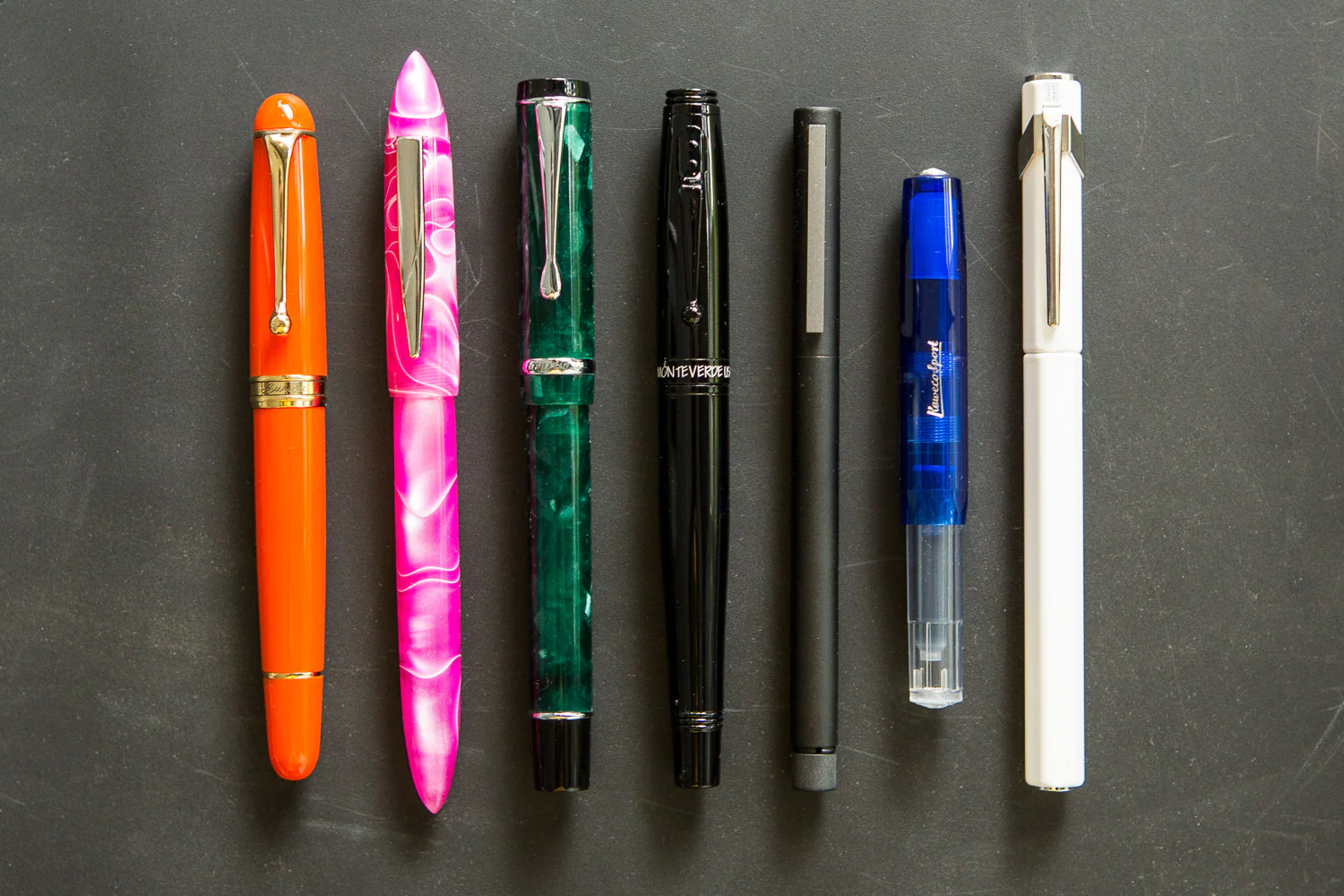
The right ink plays a key role in how your fountain pen writes and performs over time. This fountain pen ink explained guide highlights the types of fountain pen ink and how they differ in flow, durability, and maintenance, making it easier to find the best fountain pen ink for your writing style.
Key Takeaways
-
Different types of fountain pen ink offer unique benefits in flow, color, and durability.
-
Dye-based inks provide vibrant colors and smooth writing but are less water-resistant.
-
Pigment and iron gall inks offer better permanence, making them ideal for archival use.
- Understanding fountain pen ink explained helps you choose the best fountain pen ink for your pen and writing needs.
Why Choosing the Right Fountain Pen Ink Matters
The Fountain pen ink importance goes beyond color, affecting writing smoothness and pen durability. Choosing fountain pen ink wisely helps prevent clogging, flow issues, and frequent cleaning.

Ink affects writing performance and pen health
Ink quality influences smoothness, drying time, and consistency on paper. The wrong ink can cause hard starts, feathering, or even damage internal pen components, highlighting the true fountain pen ink importance for long-term pen care.
Different Inks Suit Different Pens and Users
Not all inks behave the same across every pen. Fine nibs, vintage pens, and modern pens all respond differently, which is why choosing fountain pen ink based on pen type and writing habits leads to a better overall experience.
Why Beginners Often Face Ink-Related Issues
Most "broken" pens are actually just victims of poor ink choices. Beginners often run into trouble because:
-
The "Art Store" Trap: Many products labeled for "pens" are actually India inks meant for dip nibs, which will instantly seize up a fountain pen.
- Evaporation: If a pen sits unused for weeks, the water in the ink evaporates, leaving behind a crusty dye residue that halts flow.
Know the Main Types of Fountain Pen Ink
Knowing the types of fountain pen ink makes it easier to match ink to your pen and writing style, since each fountain pen ink type behaves and performs differently.

Overview of Major Ink Categories
Most bottles on the market fall into two primary chemical categories: Dye-based and Pigmented.
-
Dye-Based Inks: The gold standard for daily use. The colorant is fully dissolved in the liquid, behaving like sugar in tea. They are generally easy to clean and come in a near-infinite rainbow of colors.
- Pigment Inks: These use tiny solid particles suspended in the fluid. Once they dry on the page, they become permanent and waterproof. However, because the particles are physical solids, they require more diligent pen hygiene to prevent clogs.
How Inks Differ in Composition and Behavior
Different fountain pen ink types vary in flow, drying time, water resistance, and how they interact with paper and nibs. These differences affect writing smoothness, color richness, and long-term pen care.
Which Inks Are Beginner-Friendly vs Advanced
Matching your ink to your maintenance habits prevents unnecessary frustration.
-
Beginner-friendly: Dye-based fountain pen inks are easy to clean and low-maintenance, with brands like Waterman, Parker, and Lamy restoring easily after a simple rinse.
- Advanced: Iron gall and pigment inks offer permanence but require regular flushing to prevent clogging or damage to the pen feed.
Dye-Based Fountain Pen Ink (Most Common Choice)
Dye-based inks use colorants that are fully dissolved in water—similar to sugar dissolving in tea. This formulation creates a uniform ink solution, which leads to several practical benefits for fountain pen users:

-
Smooth flow & vibrant colors: Dye-based fountain pen ink delivers consistent flow with bright, expressive shades that look great on most papers.
-
Easy to clean: This standard fountain pen ink flushes out easily, making maintenance simple and hassle-free.
-
Ideal for daily writing & beginners: Perfect for everyday notes, journaling, and first-time fountain pen users.
- Widely available brands: Many popular dye-based fountain pen ink brands are commonly sold on Blesket, offering plenty of color choices.
Pigment-Based Fountain Pen Ink (Long-Lasting & Permanent)
Pigment fountain pen ink uses fine solid particles to deliver long-lasting, permanent results, making them ideal when water and fade resistance matter most.

-
Water & fade resistant: Pigment fountain pen ink is highly resistant to water, UV light, and fading, making it a reliable permanent fountain pen ink.
-
Higher maintenance required: Pigment particles can settle over time, so regular cleaning is necessary to prevent clogging.
-
Best for specific use cases: Ideal for important documents, signatures, archival writing, and artwork where permanence matters.
- Use with compatible pens: Works best in fountain pens designed to safely handle pigment ink, such as pens with good seals and easy-to-clean feed systems.
Iron Gall Fountain Pen Ink (Traditional & Archival)
Modern writers choose iron gall fountain pen ink for its historic roots and proven permanence, a formula trusted since the time of medieval scribes.

-
Historical Background: Iron gall ink was widely used for centuries in government records and legal manuscripts. Made from iron salts and tannic acids, it bonds with paper fibers, creating a highly durable archival ink.
-
Color change over time: The ink often darkens as it oxidizes on paper, creating a permanent, archival fountain pen ink finish.
-
Requires extra care: Iron gall fountain pen ink can be more acidic than other inks, so regular cleaning and careful use are essential to protect your pen.
- Modern vs traditional formulas: Modern iron gall fountain pen ink is formulated to be milder and safer for everyday pens, while still delivering the permanence expected from an archival fountain pen ink.
Shimmer Fountain Pen Ink (Decorative & Expressive)
Shimmer fountain pen ink adds instant personality to your writing, using light-catching particles to turn ordinary text into a bright, festive display.
|
Feature |
Details |
|
Metallic particles & visual appeal |
Shimmer fountain pen ink contains fine metallic particles that add sparkle and depth, creating eye-catching lines with a glitter fountain pen ink effect. |
|
Pen compatibility |
Best used in fountain pens with good ink flow; avoid very dry or vintage pens that may struggle with shimmer particles. |
|
Cleaning frequency |
Requires more frequent cleaning, as glitter fountain pen ink particles can settle in the feed if left unused. |
|
Recommended nib sizes |
Medium, broad, or stub nibs work best, allowing shimmer fountain pen ink to flow smoothly and show its full visual effect. |
Sheening Fountain Pen Ink (Color-Changing Effect)
Sheening fountain pen ink delivers a striking two-tone effect, appearing one color when wet and revealing a contrasting metallic-like sheen as it dries.

-
How sheen forms: Sheening fountain pen ink creates a secondary color as excess dye dries and crystallizes on the paper surface.
-
Ink saturation & drying time: High sheen fountain pen ink is heavily saturated, which can lead to longer drying times.
-
Paper selection tips: Smooth, coated, or high-quality paper works best to highlight the sheen effect.
- Ideal use cases: Perfect for journaling, calligraphy, swatches, and expressive writing where visual impact matters.
Fountain Pen Ink vs Calligraphy ink & Dip Pen Ink
The table below highlights why dip pen ink vs fountain pen ink should never be confused.
|
Aspect |
Fountain Pen Ink |
Calligraphy & Dip Pen Ink |
|
Fountain-pen safety |
Formulated for internal feeds; 100% safe. |
Contains binders; Not fountain-pen safe. |
|
Risk factors |
Low risk when used as intended and cleaned regularly. |
High risk of clogging, hard starts, and permanent damage. |
|
Ink behavior |
Designed to flow continuously and clean out easily. |
Made to sit on the nib surface, not flow through a pen mechanism. |
|
Beginner safety warning |
Always safe when labeled as fountain pen ink. |
Never use in a fountain pen; damage is often irreversible. |
How to Choose the Right Fountain Pen Ink for Your Writing Style
The right ink depends on how and where you write. Understanding how to choose fountain pen ink helps you get the best performance, appearance, and pen safety.

Everyday writing vs journaling
For daily notes and long writing sessions, smooth-flowing dye inks are often the best ink for fountain pens. For journaling, you may prefer inks with sheen, shading, or subtle shimmer for visual interest.
Office vs creative use
Professional settings usually call for quick-drying, low-sheen inks in blue or black, while creative writing allows for expressive colors and specialty inks.
Pen type & nib size considerations
Fine and extra-fine nibs work best with well-behaved, low-maintenance inks, while broader nibs and wet pens can handle saturated, sheening, or shimmer inks more effectively.
Best Fountain Pen Ink for Beginners
Choosing the best fountain pen ink for beginners means focusing on ease of use, safety, and reliability. Here’s what to look for in beginner fountain pen ink:

-
Easy-flowing & low-maintenance: Select inks with smooth flow and minimal clogging to reduce cleaning and frustration.
-
Safe for entry-level pens: Stick with standard dye-based inks that won’t damage feeds or require extra care.
- Reliable colors & brands: Classic shades like blue, black, and blue-black from trusted brands offer versatility and consistent performance.
Fountain Pen Ink Maintenance & Cleaning Tips
Maintaining a fountain pen is like caring for a vintage car: regular cleaning keeps it running smoothly and prevents messy clogs.

How Ink Choice Affects Cleaning Frequency
-
Standard Dye-Based Inks: Easy-going and highly soluble (e.g., Waterman, Quink), rarely clog, and can go 4–8 weeks between cleanings.
-
Pigment & Iron Gall Inks: These inks are permanent and water-resistant but contain tiny particles or acidic compounds. If allowed to dry, they can be difficult to remove, so prioritize cleaning fountain pen ink of this type every 1–2 weeks.
- Shimmer & Sheen Inks: Glitter or heavily dyed inks can settle or thicken. Flush every 2 weeks to ensure smooth flow and proper fountain pen ink maintenance.
When to Flush Your Pen
Cleaning fountain pen ink whenever your pen shows a performance dip, skipping, dry flow, or hard starts signals dried ink blocking the feed. Always flush during a color swap to prevent chemical reactions or sludge.
Switching ink types safely
-
The "Clear Water" Rule: Flush the pen with room-temperature water until it runs absolutely clear. If you see even a hint of tint, keep going.
-
Use a Bulb Syringe: This is the "pro-tip" for fountain pen ink maintenance. A rubber ear syringe allows you to push water through the section with more pressure than a standard converter, cutting cleaning time in half.
- Dry Before You Fly: After cleaning, let the nib sit tip-down in a glass with a paper towel at the bottom for an hour. This wicks out excess water so your new ink color isn't diluted when you refill.
FAQs About Fountain Pen Ink
1. Can I mix fountain pen inks?
Only mix inks from the same brand and line to avoid chemical reactions that create a clog-prone sludge.
2. Is bottled ink better than cartridges?
Bottled ink is more cost-effective and offers more variety, while cartridges are better for portability and convenience.
3. How long does fountain pen ink last?
A bottle can last for decades if stored in a cool, dark place, but ink inside a pen should generally be used or flushed within a month.
4. Which ink is safest for expensive pens?
Standard, pH-neutral dye-based inks from heritage brands like Waterman or Parker are the safest choice for high-value and vintage pens.
Matching ink to pen matters as much as the ink itself, if you're pairing a new bottle with a new fountain pen, we carry both under one roof.

Comments