
The Complete Hobonichi Techo 2027 Guide: Choosing the Right Techo and What's New This Year
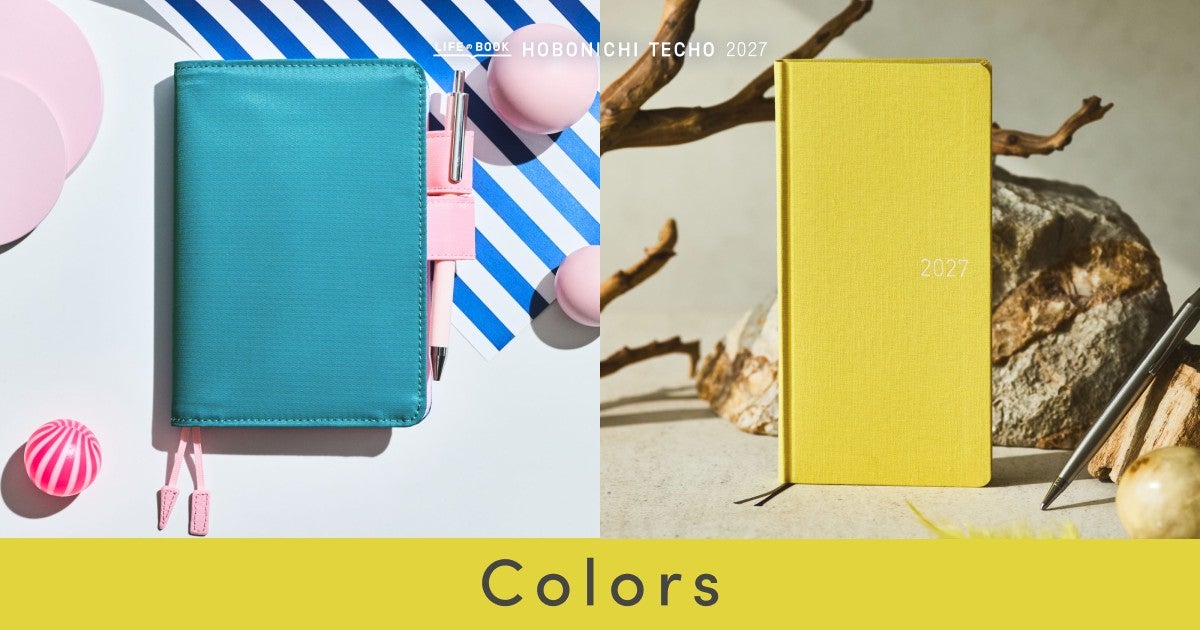
Every year around the end of August, the same question starts arriving in my inbox and at the counter: "Salome, when are the new Techos coming?" Hobonichi Day - September 1, when the new year's lineup goes on sale, has become something of a holiday for planner people, and this year is no different. The Hobonichi Techo 2027 lineup, built around the theme "LIFE GROWS," went on sale September 1, 2026, and the new books and covers are arriving at Blesket through September, shipped from within Canada with no customs fees. If you're deciding which Techo is right for you (or whether it's finally time to try one), this guide is for you.
Canadians love Hobonichi not just for its aesthetic appeal but for the quality and philosophy behind it. Unlike mass-produced planners, the Techo is meticulously designed. Each page is printed on ultra-light, ultra-strong Tomoe River writing paper, famous worldwide for how well it handles fountain pen ink. The layouts are simple yet thoughtful, flexible enough for creative expression yet structured enough for effective planning.
At Blesket Canada, we see first-hand how deeply people connect with these planners. They become personal archives. They become memory books. They become a space to breathe. And as authorised sellers of many writing tools and accessories: from Lamy Pens to pen refills, washi tape, and notebooks like Midori notebook and traveler’s notebook, we’ve watched countless Canadians fall in love with Hobonichi year after year.
Key Takeaways
- The Hobonichi Techo 2027 lineup ("LIFE GROWS") was revealed in full on August 25 and went on sale September 1, 2026. New books, covers and collaborations are arriving at Blesket through September, shipped from within Canada.
- Hobonichi planners have a cult status in Canada because they blend beautiful minimalist design with thoughtful functionality.
-
They are built with incredibly high-quality materials, especially the Tomoe River writing paper.
-
They offer flexible layouts that work equally well for planning and creative journaling.
- Pairing them with the right pens, fountain pen ink, and accessories elevates the experience. And with proper setup, a Hobonichi Techo becomes not just a planner but a daily ritual.
- If you'd rather design your own layouts than follow the Techo's printed pages, Leuchtturm1917 planners and bullet journals are the classic dot-grid alternative, also stocked in Canada at Blesket.
What's New for Hobonichi Techo 2027

Hobonichi revealed the full 2027 lineup on August 25, and the books went on sale September 1 at 11 a.m. Japan time, which, for those of us in Canada, was the evening of August 31, 10 p.m. Eastern, since Japan is 13 hours ahead. The theme this year is "LIFE GROWS": everything grows - Techos, you, time. I love that.
Here’s what’s actually in the 2027 lineup:
The books. Every core format returns: the A6 Original (a page per day), the A5 Cousin (same daily layout, more room to write and paste), the Weeks (wallet-sized weekly horizontal) and Weeks Mega (same book with three times the blank memo pages at the back), the HON in both A6 and A5 (a hardcover edition with the cover already attached), the Day-Free in A6 and A5 (monthly calendars plus a graph notebook, no dated daily pages), the Avec split editions (two six-month books instead of one thick one), and the 5-Year Techo for 2027–2031 in standard and Large.
English editions. For 2027 Hobonichi is publishing the English Original Book (A6), the English Planner Book (A6), the English Cousin Book (A5), and English Weeks - the English Weeks arrives as two Moomin designs, “A Day in the Life of Snufkin” and “At the Table”. All English editions are January-start.
One genuinely useful change for 2027: the year is now printed large and faint in the background of the pages. If you keep last year’s book alongside the new one, it is much harder to write in the wrong Techo - a small thing that anyone who has journalled through a January knows the value of.
New Colors. The Colors series - Hobonichi’s simple, no-illustration covers and the ones we sell most of, is all-new for 2027. The A6 shades are Fresh Citron, Blue Parasol, Bordeaux Teracotta, Black x Clear Blue, Navy, Aqua Lime and Airy Flamingo. The A5 Cousin shades are Chiffon Greige, Misty Cedar, Mango Latte, Black x Clear Blue, Candy Floss, Atelier Sky and Winter City. Weeks and Weeks Mega get Sea Glass, Canaria Yellow, Poppy Red, Midnight Blue and Pink Sapphire.
Collaborations. 2027 is a strong year for them. MOTHER returns (Dungeon Man, plus Mr. Saturn covers for A6, A5 and Weeks), there is a ONE PIECE Original Book edition, Moomin (My Yard, Night of the Big Party, and the two English Weeks), Hello Kitty, a Detective Conan Weeks Mega, the V&A Series with William Morris’s Strawberry Thief, Leo Lionni’s Frederick, Virginia Lee Burton’s The Little House, Liberty Fabrics, minä perhonen, beautiful people, and a deep bench of artist series - Yumi Kitagishi’s white cats, Yuichi Inoue, Keiko Shibata, Unsodo’s Meiji-era Bijutsukai prints, Akiko Miyakoshi, Yoshie Watanabe, 100%ORANGE and more.
Accessories. New drawer pouches and new stationery join the range, and the Hobonichi Techo app adds a Techo Kaigi feature along with new Daily Records and Pick a Techo tools.
Getting the 2027 Lineup in Canada
A word of hard-won wisdom from past launches: the official Japanese store gets absolutely hammered on Hobonichi Day (it has crashed under the traffic before), and ordering from Japan means international shipping times plus customs charges at the door. The gentler route: we'll be stocking the 2027 Techo books, Weeks and covers at Blesket in early September, shipped from within Canada with no customs fees. Keep an eye on our Hobonichi collection, or join our newsletter and I'll let you know the moment the new books arrive.
Hobonichi Sizes Explained (A6, A5, Weeks): Which One Should You Choose?
Choosing a Hobonichi planner often begins with understanding its sizes. Each one serves a different lifestyle, and the “best” option depends on how you write and what you want your Techo to become.
The A6 Original is the most iconic size. Compact and portable, it fits easily in handbags, backpacks, and desk drawers. Many beginners choose this size because the daily page layout encourages short bursts of reflection. Those who use their Techo as a gratitude journal or a mental wellness companion often appreciate the intimate feel of the A6.
The A5 Cousin feels more expansive. It offers more space for long-form journaling, budgeting, business planning, and detailed daily tracking. The weekly spread in the Cousin is a favourite among professionals who need a clear overview of meetings and deadlines. Students and freelancers also tend to gravitate toward the A5 because it captures everything in one place.

The Weeks planner is slim and elegant. It looks like a long wallet, with vertical weekly layouts ideal for people who thrive on structured planning. Many Canadians use the Weeks as a work planner while keeping an A6 or A5 for personal journaling. The portability makes it a favourite for commuters and minimalists.
If you are unsure which to pick, think about whether you write quickly or slowly, whether you prefer long paragraphs or short lists, and whether you want a planner or a journal or both. Hobonichi’s beauty is that each size adapts to you rather than forcing a particular style.
Paper Performance: How Hobonichi Tomoe River Paper Handles Fountain Pens

One of the defining features of Hobonichi planners is their use of Tomoe River writing paper. It’s incredibly thin, which keeps the planner lightweight, yet it handles ink better than most heavier papers. It resists feathering and bleeding, making it ideal for fountain pen ink and liquid-based pens. Colours appear more vibrant, shading looks dramatic, and sheen appears beautifully on the surface.
If you love writing with a luxury pen, you’ll notice immediately how the nib glides across the page without resistance. The texture is silky smooth, making long writing sessions more enjoyable. Even if you switch between multiple pens or nib sizes, from fine and extra-fine to broad and stub, the paper keeps lines clean and sharp.
Tomoe River does require a bit more drying time compared to other writing papers, but most users feel that the experience and tonal beauty of inks outweighs any inconvenience. It’s a paper that rewards patience. It invites you to enjoy the act of writing rather than rush through it.
Best Pens to Use with Hobonichi
Choosing the right pen is essential to getting the most out of your Hobonichi setup, especially because Tomoe River writing paper behaves differently from regular notebook paper. Some pens glide almost effortlessly on it, while others require a bit more precision.

The Pilot Vanishing Point is often described as the perfect everyday companion for Hobonichi users. Its retractable nib mechanism makes it incredibly practical for quick notes, spontaneous journaling, or capturing ideas throughout the day without fumbling for a cap. The nib works beautifully with Tomoe River, leaving crisp, clean lines even when using wetter fountain pen ink.
For beginners or those who prefer a lightweight, expressive writing style, the Pilot Kakuno is a delightful match. The friendly smiley-face nib may seem playful, but its performance is impressively smooth. Many Canadian journalers favour it because it delivers an easy, controlled writing experience without scratching or dragging on the delicate Hobonichi pages.
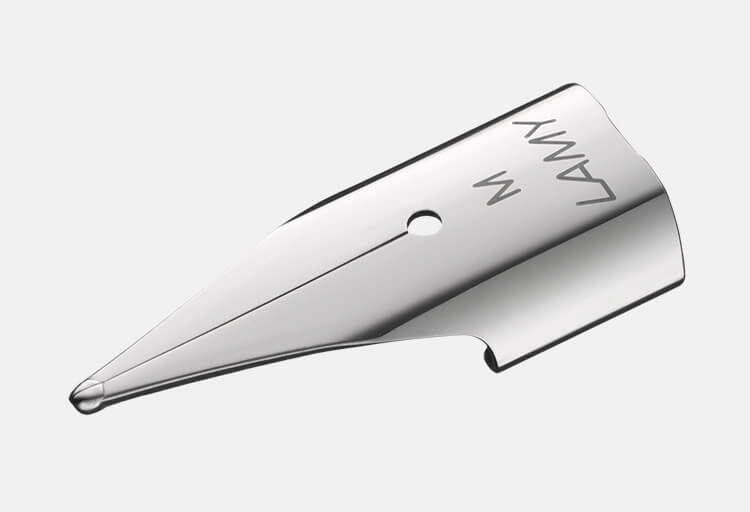
Some users still love pairing their planners with Lamy Pens, especially the Lamy Safari or Lamy AL-Star. These pens are iconic for their ergonomic design and reliability. However, Tomoe River paper responds best to finer lines, so when using Lamy Canada pens, the Fine nib (F) is strongly preferred. It offers the cleanest writing performance, minimises dry time, and helps prevent ink transfer when you close your planner.

For writers who want exceptional smoothness, higher ink capacity, and precise line work, the TWSBI ECO Fountain Pen in Fine (F) or Extra Fine (EF) is a standout choice. Its piston-filling system holds significantly more ink than standard cartridge pens, which is particularly convenient for daily entries. On Hobonichi paper, both EF and F nibs produce beautifully sharp lines with excellent control, making the ECO an ideal pen for journaling, planning, and compact note-taking.
Also Read: The Best Beginner Fountain Pens in Canada (2026): Handpicked by Experts at Blesket
Accessories to Elevate Your Hobonichi Setup
Once you start using your Hobonichi, you’ll find yourself wanting to decorate, customise, or accessorise your pages. Washi tape is a staple for Hobonichi users because it adds personality while allowing you to reposition or remove it without damaging pages. Stickers bring colour and charm. Plenty of Techo devotees plan in pencil rather than ink, plans change, after all, and a good mechanical pencil with a fine 0.3 or 0.5 mm lead suits the Tomoe River paper beautifully; our mechanical pencils collection has options from Lamy, Kaweco, Cross and more. Pencil boards help prevent the pen from imprinting on other pages, keeping your writing crisp. Pen refills are essential if you use gel pens or multi-ink systems.
Many people also bring other notebooks into their Hobonichi system. Some use a Midori notebook for long-form journaling while keeping the Techo for daily entries. Others rely on a traveler’s notebook for sketching or travel records while the Techo handles schedules and reflections. These tools complement one another beautifully.
Hobonichi vs Midori vs Traveler’s Notebook Canada: Which Fits Your Lifestyle?
Hobonichi planners offer structure, simplicity, and daily page that encourage reflection. The Midori system, especially the MD notebook, leans more toward classic freeform writing. Its creamy paper and minimalist aesthetic feel cosy and meditative. The traveler’s notebook, on the other hand, is infinitely customisable. It uses a refill system, allowing you to combine calendars, sketchbooks, dot grids, and more within a single leather cover.
If you want guidance and daily structure, Hobonichi is ideal. If you want creative freedom without dates, Midori delivers. If you want a modular system you can grow and rearrange, the traveler’s notebook offers unmatched flexibility.
Creative Ways Canadians Use Hobonichi
People across Canada use their Hobonichi in countless ways. Some treat it as a traditional planner, scheduling appointments and tasks. Others rely on it for bullet journaling, creating habit trackers, mood logs, goal maps, and reading lists. Creative users transform it into an art journal filled with doodles, sketches, and ink swatches. Many treat it as a budget planner or small business tool. And some Canadians use it simply as a diary, a place to preserve everyday memories.
The versatility is what makes the Hobonichi Techo universal. It adapts to your personality and becomes whatever you need it to be.
Gift Ideas: Hobonichi Sets for Writers & Coworkers
A Hobonichi Techo makes exceptional gifts for writers, planners, artists, and coworkers. It’s thoughtful, useful, beautifully made, and personal without being intrusive. Many Canadians create curated gift sets pairing a Hobonichi planner with fountain pen ink, a starter pen like a Safari, a few rolls of washi tape, and small stickers. These sets are especially popular during the holiday season and at the start of each new year.
Pair your Hobonichi set with a thoughtful holiday gift, see our Christmas picks for your co-workers.
Where to Buy Hobonichi Canada Authentic Products
Authenticity matters and Blesket Canada offers a trusted selection of Hobonichi planners, accessories, and complementary writing tools. As a family-owned Canadian retailer, Blesket ensures your products are genuine, carefully packaged, and shipped quickly within Canada. Whether you are starting your first Techo or expanding your collection, you’ll find everything you need in one place, from planners and pen refills to inks, tapes, and writing accessories.
Once you've decided which Techo suits your routine, shop the full Hobonichi Canada collection at Blesket, Cousin, Original and Weeks editions ship from within Canada. And if the Techo format isn't quite your style, our full range of organizers and planners covers weekly, daily and undated layouts from other much-loved brands.
Frequently Asked Questions
1. When is the Hobonichi Techo 2027 lineup available in Canada?
The Hobonichi Techo 2027 lineup is on sale now. It was revealed in full on August 25, 2026 and went on sale September 1, 2026. Blesket stocks 2027 Techo books, Weeks and covers, shipped from within Canada with no customs fees and no waiting on a parcel from Japan. New stock keeps arriving through the season, so check the collection for current availability.
2. Do Hobonichi 2027 planners start in January?
All of the English-edition 2027 books are January-start. A few Japanese editions, such as the Detective Conan Weeks Mega, are April-start instead, so check the listing if you are buying a Japanese book. Hobonichi also releases spring (April-start) editions early in the new year if you plan by school or fiscal year.
3. Will my current Hobonichi cover fit a 2027 book?
Yes. Hobonichi book sizes haven't changed, so an A6 cover fits any A6 Original and an A5 cover fits any Cousin. If you're buying your first Techo, a cover is the easiest way to make it yours.
4. What makes Hobonichi Techo different from regular planners?
Its Tomoe River writing paper, daily pages, grid layout, and exceptional craftsmanship set it apart. It’s both a planner and a creative journal.
5. Can Hobonichi pages handle fountain pen ink?
Yes. Tomoe River paper is renowned for its ability to manage ink without feathering or bleeding.
6. Which Hobonichi size is best for beginners?
A6 is great for journaling and reflection, A5 is ideal for planning and writing more, and Weeks suits structured planners.
7. What accessories should I get for Hobonichi?
Washi tape, stickers, pencil boards, and pen refills are popular additions.
8. Does Hobonichi work well with fountain pens?
Absolutely. Write with fine or medium nibs for the best balance between ink shading and drying time.
9. Is Hobonichi worth the investment?
For anyone who values creative planning, mindful journaling, or high-quality writing paper, it becomes indispensable.
10. Where can I buy Hobonichi planners in Canada?
Blesket Canada offers authentic products, fast shipping, and expert support for all journaling and writing needs.
Comments