
Premium Notebook & Paper Brands in Canada







What Makes a "Premium" Notebook
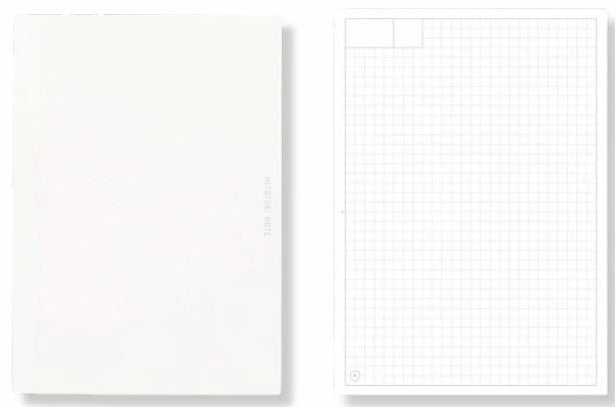
Most paper sold under the "notebook" label is wood-pulp paper at 70-90 gsm with no real consideration of how it handles ink. Premium notebook brands are different in three measurable ways: they use higher-quality paper (typically 80-120 gsm with specific finishes designed for fountain-pen ink), they bind notebooks in ways that lay flat without breaking the spine, and they engineer the page layout (numbered pages, dot grids, perforated edges, archival paper) for specific use cases.
If you write with a fountain pen, sketch in ink, journal daily, or use a notebook as a system rather than a notepad, the difference is immediate, less ghosting, less feathering, more comfortable writing, and a notebook that lasts the full year you spend filling it.
The Brands We Carry and What Each One Is Best For
Midori (and the Traveler's Company)
Japanese stationery brand best known for the Traveler's Notebook system - leather covers, replaceable paper inserts, and a customizable kit that grows with you. The MD Notebook line is the Midori standalone - cream-colored Japanese paper, smyth-sewn binding, and one of the most fountain-pen-friendly papers available at the price.
Best for: fountain-pen writers, journalers building a long-term system, anyone who wants Japanese stationery quality.
Leuchtturm1917
German notebook brand. Numbered pages, table-of-contents pre-printed, gusseted back pocket, eight perforated and detachable pages. The default choice for bullet journaling - Leuchtturm A5 dot-grid is functionally the bullet-journal community standard.
Best for: bullet journaling, structured note-taking, anyone who wants a notebook that's organized out of the box.
Rhodia
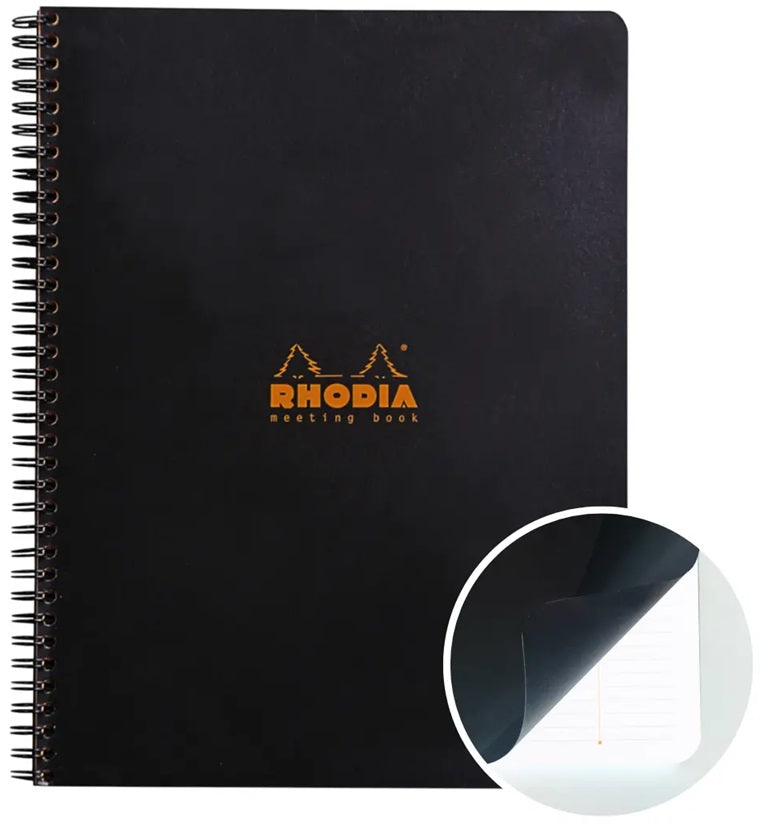
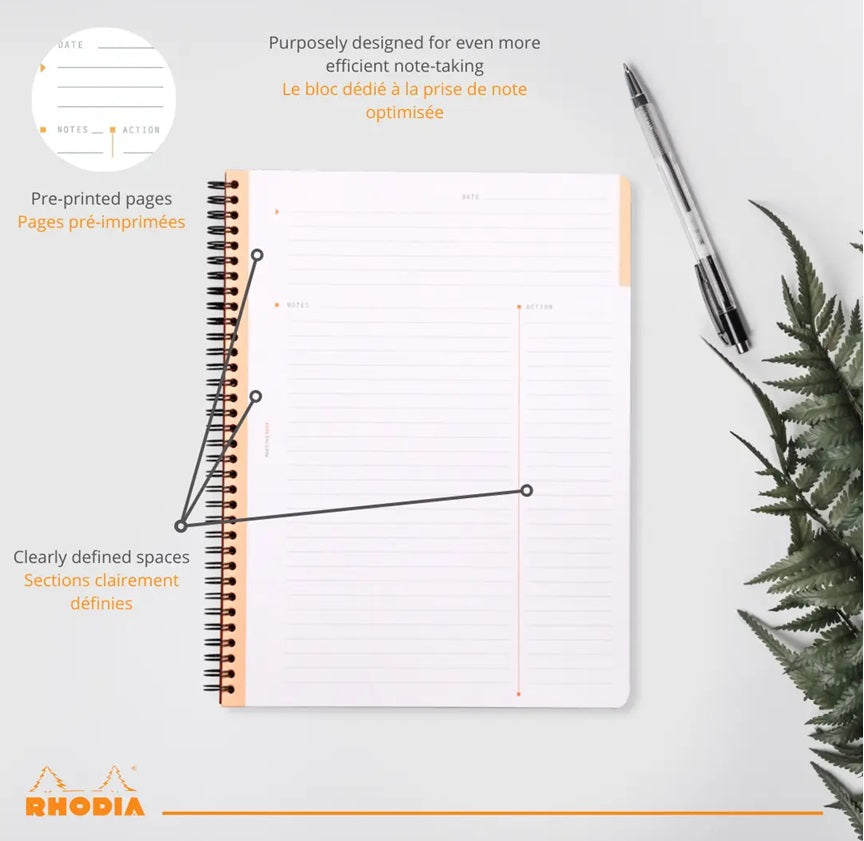
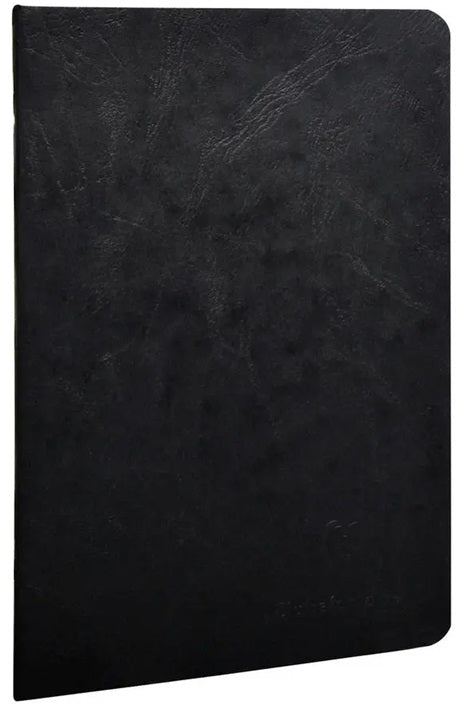
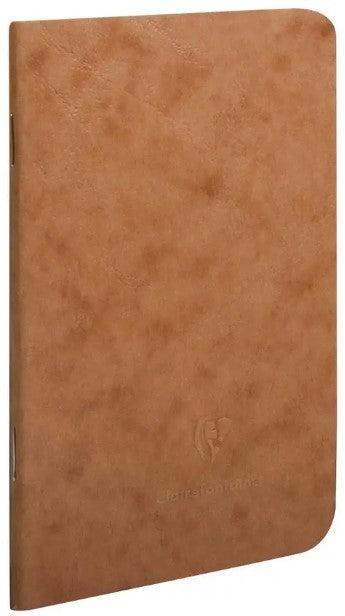
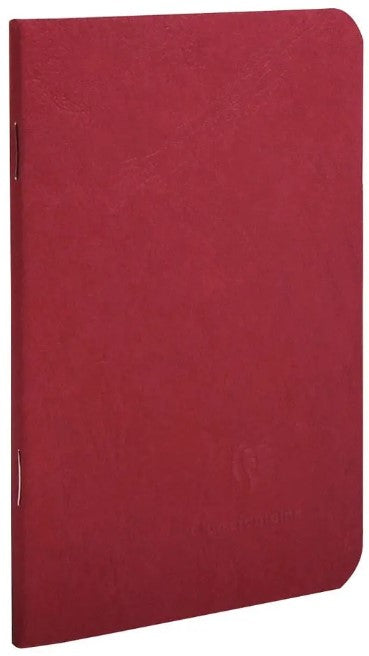
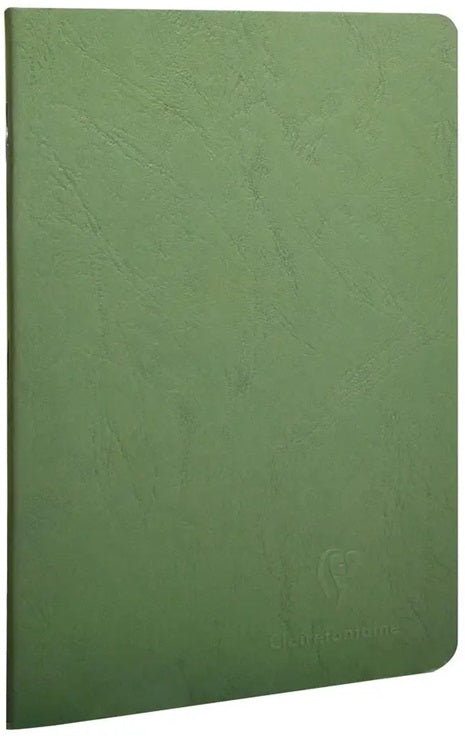
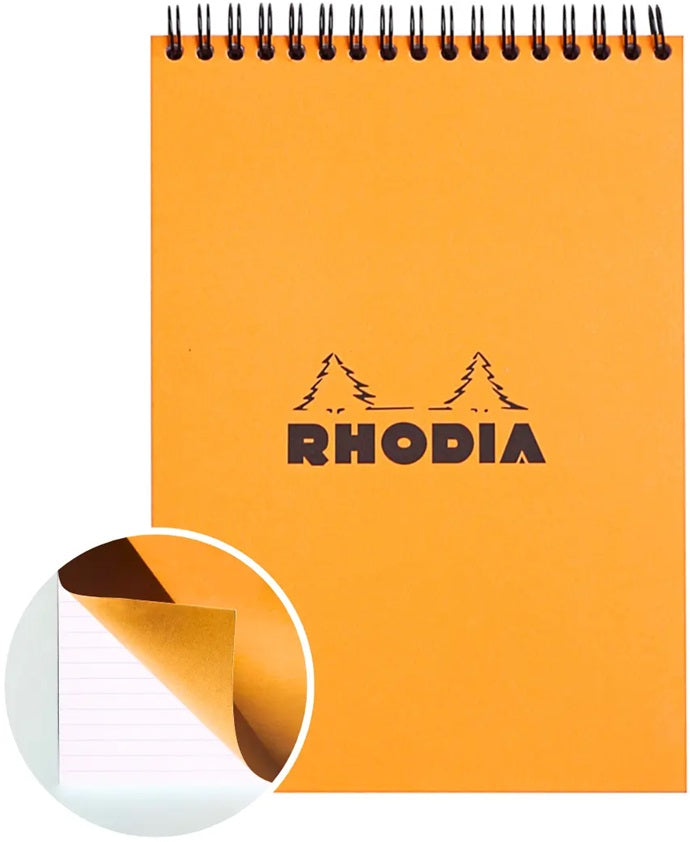
French notebook brand using Clairefontaine's 80-90 gsm paper. The orange-and-black hardcover Webnotebook is the flagship, but the Dotpad and Bloc pads are equally well-known. Paper is exceptionally smooth, handles fountain pens well, and shows minimal ghosting.
Best for: fountain-pen writers, drafting and meeting notes, anyone who values smooth paper.
Field Notes
American pocket-notebook brand. 48-page memo books, available in graph, ruled, and plain paper, plus quarterly limited editions. Designed to slip into a shirt pocket and be used hard.
Best for: quick notes on the go, EDC (everyday-carry) writers, collectors of the seasonal limited editions.
Hobonichi
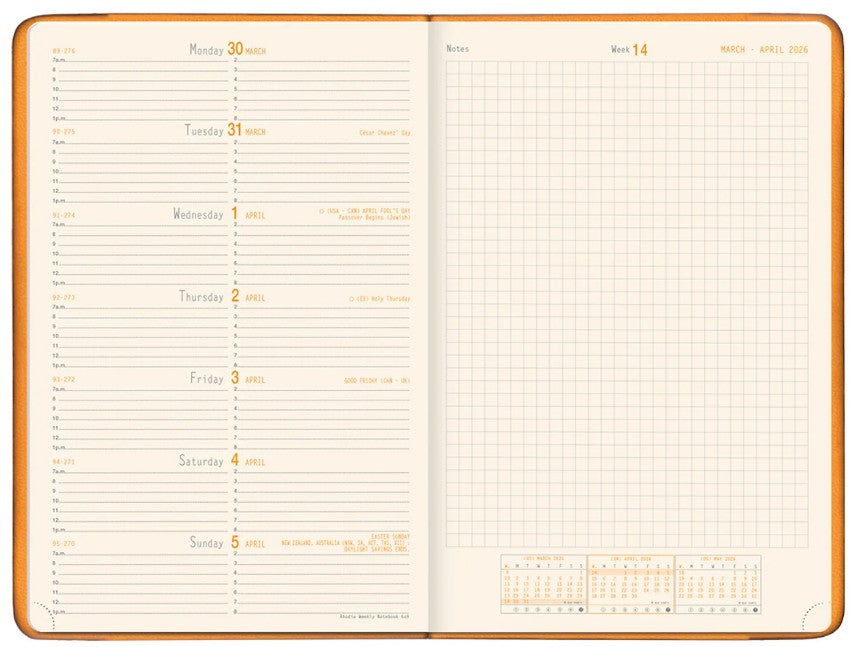
Japanese planner brand using Tomoe River paper, thin, ink-friendly, and famously translucent. The Techo (Original A6, Cousin A5, Weeks slim) is the daily-planner format; layouts are gridded with one page per day.
Best for: daily planners, fountain-pen writers, anyone who wants a Japanese-paper experience in a structured planner format.
Clairefontaine
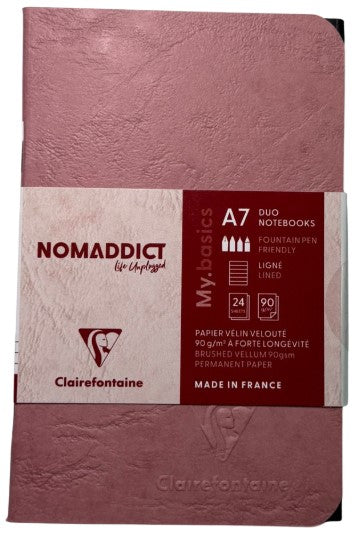
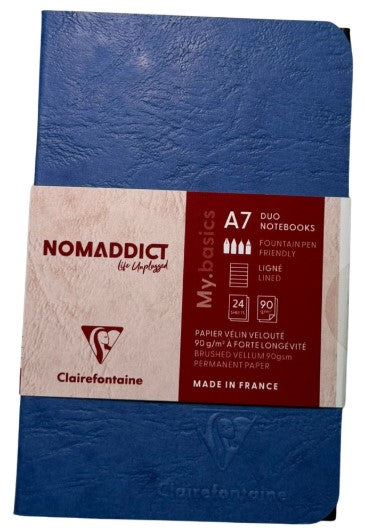
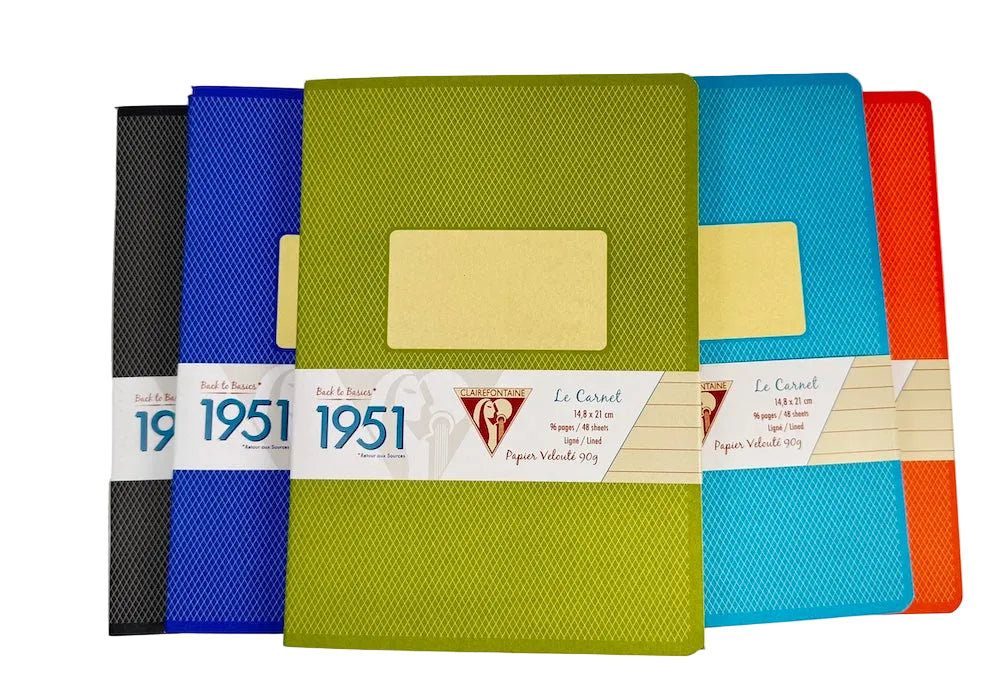
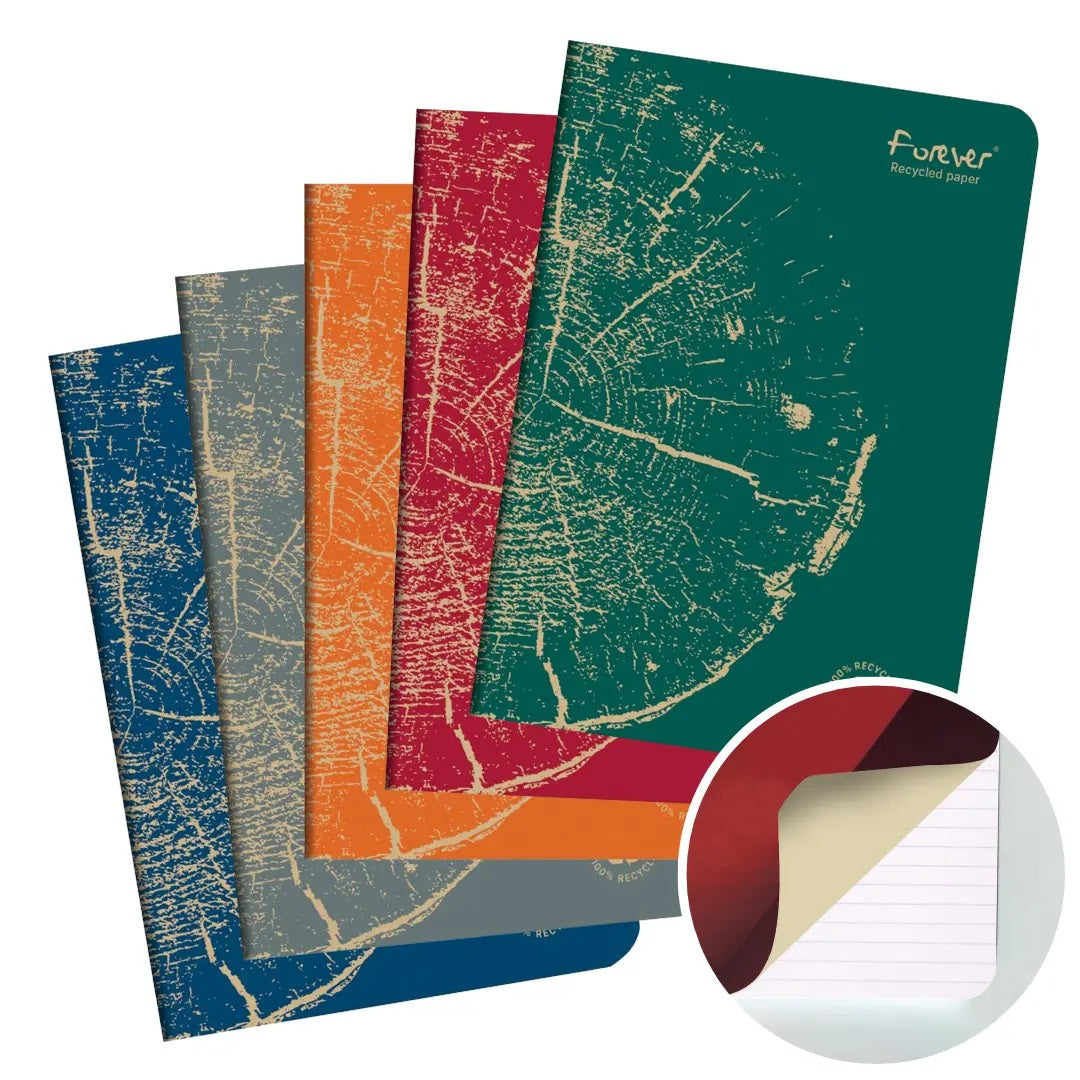
French paper manufacturer (and Rhodia's parent company). Wide range of school-style and writing notebooks at higher paper weights than typical North American stock.
Best for: general writing, students, anyone wanting better-than-average paper without a premium price.
Traveler's Notebook
The Midori-made leather-cover system - Regular size and Passport size, with refills sold separately. Build a notebook as a long-term carry: weekly planner + lined refill + sketch refill + zipper case + brass charm, replaced one piece at a time.
Best for: people who want a notebook that lasts a decade and changes shape with them.
How to Choose the Right Notebook
A buyer's-guide block that helps shoppers self-select based on use case:
| If you write with a fountain pen | Midori MD, Rhodia, Hobonichi, Tomoe River refills. Avoid most North American school-grade paper. |
| If you bullet journal | Leuchtturm1917 A5 dot-grid is the de facto choice; Rhodia Dotpad is the closest alternative. |
| If you carry a notebook in your back pocket | Field Notes memo books. |
| If you're building a long-term notebook system | Traveler's Notebook (Regular or Passport). |
| If you want a structured daily planner | Hobonichi Techo (Cousin for more space, Weeks for slim carry). |
| If you want premium paper at a more accessible price | Clairefontaine. |
Paper Weights and Finishes - A Quick Reference
- • 70-80 gsm - standard, fine for ballpoints and gel pens; fountain-pen ink may bleed.
- • 80-90 gsm - Rhodia, Clairefontaine, most Leuchtturm. Handles fountain pens well.
- • 52 gsm Tomoe River - Hobonichi standard. Thin and lightweight, but extremely ink-friendly with strong shading and sheen visibility.
- • Coated / Smyth-sewn - Midori MD and most premium binders. Lays flat, won't crack along the spine.
Why Buy Premium Notebooks from Blesket Canada
We're a Canadian stationery retailer, which means: prices in CAD, no surprise customs charges, tracked Canadian shipping, and a curated selection of brands chosen for paper quality rather than store-shelf coverage. Our notebook range is the deepest in Canada for fountain-pen-friendly paper specifically.


