
How to Journal with Washi Tape & Stickers: Simple Layouts Anyone Can Copy
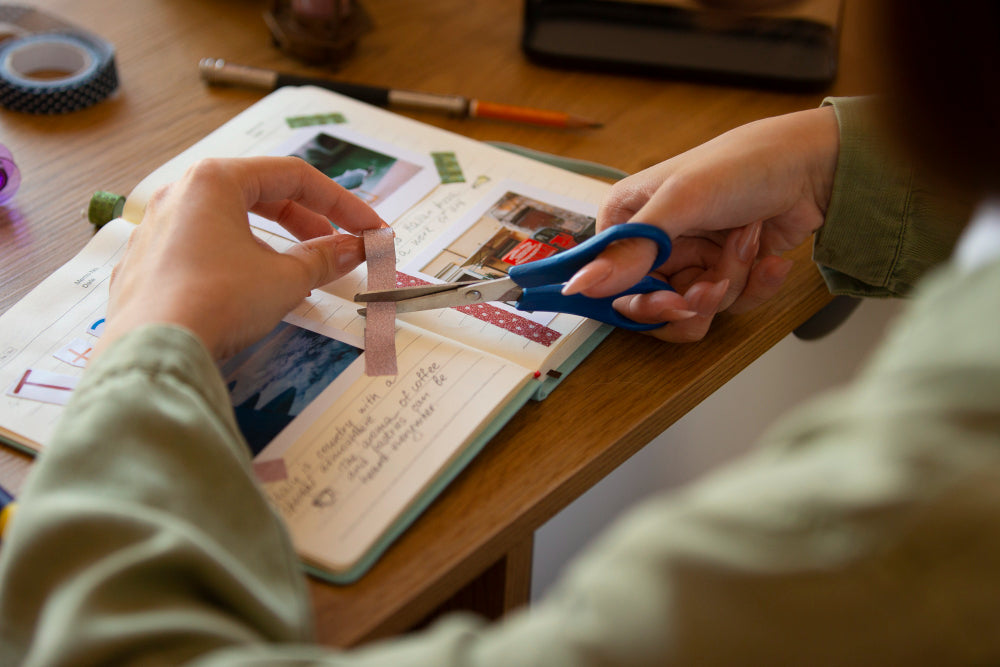
Most people don’t stop journaling because they don’t like writing. They stop because they’re afraid of the blank page. That first empty spread can feel oddly intimidating, especially when social media is full of perfectly curated journals that look more like art projects than personal notebooks. This “blank page anxiety” is one of the biggest barriers for beginners.
That’s where washi tape and stickers quietly change everything. They aren’t decorations meant to impress anyone. They’re tools. They lower the effort required to start, remove the pressure to make things perfect, and give your page a sense of structure before you even write a word. Once the page feels welcoming, the words tend to follow.
Many people begin this journey in notebooks like Hobonichi, Midori, or a traveler’s notebook, not because they want to be aesthetic, but because these formats make journaling feel forgiving. Washi tape and stickers simply make that forgiveness visible.
Key Takeaways
-
Journaling doesn’t require artistic skill or elaborate planning.
-
Washi tape and stickers reduce friction, create instant layouts, and make consistency easier.
-
Simple setups outperform complicated ones.
These tools also make thoughtful, creative, and practical Christmas gifts for coworkers, especially for people who want meaningful, low-pressure gifts that feel personal without being intrusive.
Why Washi Tape & Stickers Make Journaling Easier
The biggest advantage of washi tape is that it asks very little of you. Unlike markers or pens, it doesn’t demand commitment. If something feels wrong, you peel it off and try again. That single feature removes a lot of the fear beginners carry into journaling.
Washi tape also creates structure instantly. A single strip across a page can divide a week, mark a section, or signal where today’s entry begins. Stickers serve a similar purpose. A small icon can replace a headline. A date sticker removes the need to draw calendars. These tiny shortcuts save time and mental energy.
Consistency is where most journaling attempts fail, and washi tape helps here too. When layouts are fast and repeatable, people are far more likely to show up daily. That’s why journaling kits built around washi tape Canada collections have quietly become popular office gifts and corporate gifts Canada companies rely on during the holidays. They’re easy to use, unintimidating, and genuinely helpful.
Also Read: What Is Washi Tape? A Complete Guide for Canadian Crafters & Journalers
Getting Started – What You Actually Need

One of the most common beginner mistakes is overbuying. Journaling works best when you start with very little and let your preferences evolve.
1. The Right Notebook or Journal
Many journalers prefer Hobonichi because its Tomoe River paper handles stickers and fountain pen ink beautifully without bleeding. The pages are thin yet strong, which means you can decorate without bulk.
A Midori notebook is ideal for minimalists who want a clean, distraction-free journaling experience. The paper texture encourages slow writing and works well with subtle washi layouts.
A traveller’s notebook appeals to people who want flexibility. You can dedicate one insert to daily thoughts, another to lists, and another to memory keeping, all held together in one system. This adaptability makes it popular for travel journaling and long-term use.
Also Read: The Complete Guide to Hobonichi
2. Washi Tape Basics
Thin washi tape is perfect for dividing sections or creating columns. Wide tape works better for headers or visual breaks. Neutral tapes help with structure, while patterned tapes add personality. Functional tapes are great for everyday use; decorative ones are better saved for highlights.
Washi tape is one of the easiest tools to add structure and personality to a journal. Unlike glue or markers, washi tape for journaling can be repositioned without damaging the page.
3. Stickers That Actually Help You Journal
Date stickers remove friction. Icon stickers replace written labels. Prompt stickers give you something to respond to when you don’t know what to write. Mood tracker stickers help you notice patterns without effort. These aren’t decorations; they’re guidance tools.
This is why sticker sets are increasingly bundled into holiday gift sets and promoted as gifts for writers who want encouragement rather than pressure.
6 Easy Journal Layouts Using Washi Tape & Stickers
1. The Weekly Memory Layout
This layout uses horizontal washi tape strips to divide a page into simple sections, one for each day or moment. Small stickers act as visual anchors for highlights. You don’t need to write much. One sentence per section is enough. Over time, these pages become powerful memory snapshots.
2. The Mood Tracker Page
Here, washi tape creates vertical or horizontal segments. Stickers mark moods or energy levels. There’s no need for charts or graphs. You simply place a sticker and move on. This layout works especially well in Hobonichi weekly or daily pages.
3. The “Messy Thoughts” Page
This page intentionally rejects structure. Random washi pieces frame scattered thoughts. Stickers overlap text. There’s no hierarchy. This layout removes performance pressure and is often the one beginners return to most frequently.
4. The Habit Tracker
Washi tape columns create repeatable sections. Stickers become checkmarks or symbols. Unlike drawn trackers, this setup doesn’t punish you for missed days. You simply continue.
5. The Travel or Event Journal Page
This layout is especially popular for vacations, work trips, or conferences. Washi tape frames tickets, notes, or short reflections. A Traveler's Notebook is a popular base for this kind of layout, because the inserts lie flat while you work and the cover takes the wear. This is why journaling kits are now considered thoughtful Christmas gifts for coworkers returning to travel-heavy roles.
6. The Beginner Bullet Journal Setup
A crossover layout where washi tape replaces drawn lines and stickers replace bullets. It’s fountain pen friendly and removes the pressure of ruler-straight layouts.
Best Pens & Paper for Washi Tape Journaling
Soft fine-nib fountain pens work best. They glide over Tomoe River and Midori paper without dragging against tape edges. Quick-dry inks reduce smudging when pages include stickers.
Smooth writing paper matters more than decoration. A good pen paired with reliable paper turns journaling into a habit instead of a chore. This is why many journaling bundles include ballpoint pens / pen sets / washi tape Canada shoppers trust for daily use.
Common Mistakes Beginners Make (and How to Avoid Them)
The first mistake is overdecorating. Too many stickers can overwhelm the page and make writing feel secondary. The second is buying everything at once. Journaling tools should grow with your habit, not precede it. The third mistake is waiting for the perfect supplies. Journaling works best when you start imperfectly.
Ironically, these mistakes are why curated starter kits perform so well as Christmas gifts for coworkers. They remove decision fatigue and offer just enough to begin.
Journaling as a Gift Idea
Journaling supplies hit a rare sweet spot. They’re personal without being intimate, creative without being demanding, and useful without feeling generic. That’s why they’ve become some of the most popular Christmas gifts for coworkers, especially in professional environments where traditional presents feel impersonal.
Washi tape starter kits work beautifully as office gifts. Sticker sets feel thoughtful without being expensive. Journal-and-pen bundles make excellent corporate gifts Canada companies rely on when they want something memorable but appropriate. These combinations also double as gifts for writers, planners, and creative thinkers.
More importantly, journaling gifts don’t expire. They invite reflection long after the holiday season ends, which is why they’ve become staples in modern holiday gift sets.
Final Thoughts
Journaling isn’t about performance. It’s about presence. Washi tape doesn’t make journaling pretty; it makes it sustainable. It lowers the barrier to entry, encourages consistency, and allows creativity to grow naturally.
Whether you’re starting your own journal or looking for meaningful Christmas gifts for coworkers, journaling supplies offer something rare: permission to slow down. Start today. Not perfectly. Just honestly.
FAQ
1. Is washi tape safe for journals?
Yes. Washi tape is designed to be removable and does not damage quality writing paper.
2. Can I journal if I’m not creative?
Absolutely. Journaling with washi tape is about structure, not art.
3. Does washi tape work in Hobonichi?
Yes. Hobonichi’s Tomoe River paper handles washi tape and fountain pen ink extremely well.
4. What’s the best tape width for beginners?
Thin tapes are easiest to start with. They’re forgiving and versatile.
5. Are journaling kits good gifts for coworkers?
Yes. They’re thoughtful, neutral, and suitable for a wide range of personalities.


Comments