
What Is Washi Tape? A Complete Guide for Canadian Crafters & Journalers
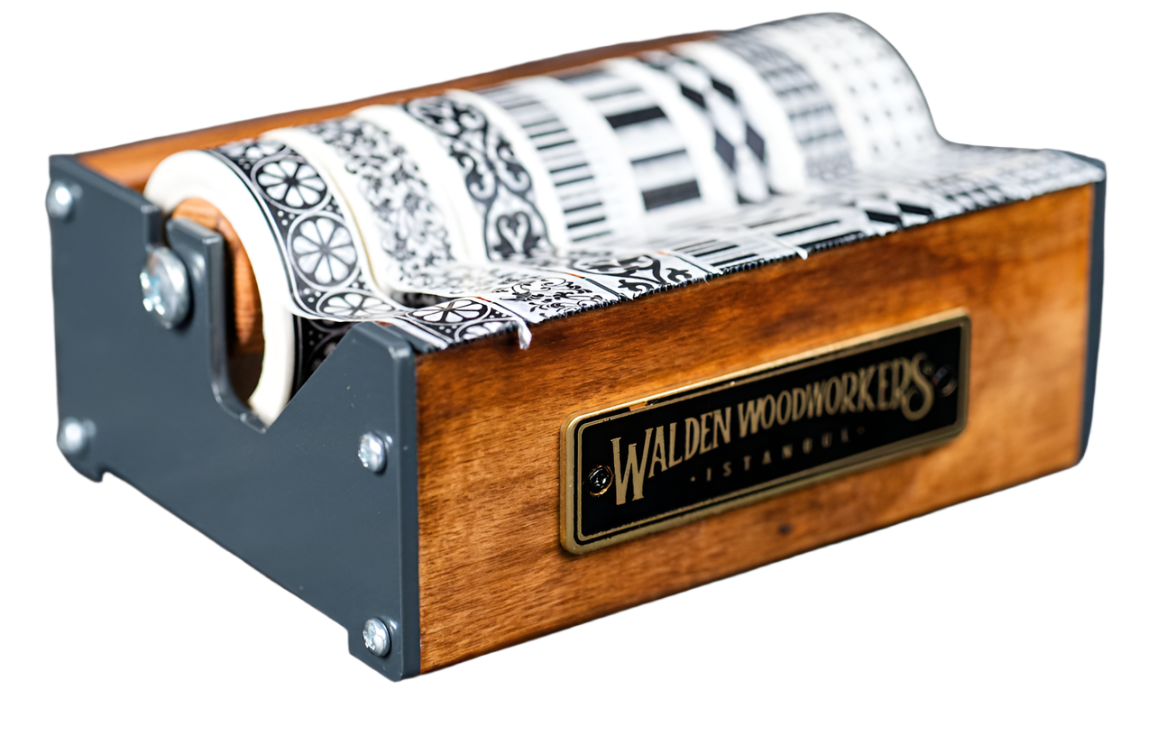
Washi tape has quietly become one of the most loved stationery tools among creatives, planners, and journalers across Canada. It looks simple at first glance, just a roll of patterned tape, but its versatility, gentleness on paper, and creative potential make it something entirely different from ordinary adhesive tape. Whether you are decorating a planner, building a scrapbook, or easing yourself into journaling, washi tape often becomes the first tool people reach for.
This guide is designed to answer one simple question in depth: what is washi tape, really? We will explore where it comes from, why it behaves the way it does, how Canadians use it, and how to choose the right type for your needs. If you have ever wondered why washi tape for journaling feels so forgiving, or why Japanese washi tape has such a devoted following, you are in the right place.
Key Takeaways
-
Washi tape is a paper-based decorative tape made from traditional Japanese washi paper.
-
It is removable, reusable, and gentle on notebooks, planners, and writing paper.
-
Washi tape is widely used in Canada for journaling, planning, scrapbooking, and crafts.
-
Different types exist, including classic paper, metallic, transparent, and patterned designs.
-
Washi tape works safely with fountain pen ink and premium papers like Tomoe River.
-
It offers flexible decoration without damaging pages or leaving residue.
- Buying authentic washi tape in Canada ensures better quality, adhesion, and longevity.
Also Read: The Ultimate Gift Guide for Pen Lovers and Writing Enthusiasts
What Is Washi Tape?
Washi tape is a decorative tape made from traditional Japanese paper, known as washi. The word “washi” itself comes from two Japanese characters: wa, meaning Japanese, and shi, meaning paper. This paper is traditionally made from natural fibres such as mulberry, gampi, or mitsumata, which gives it a unique combination of strength and softness.
Unlike regular plastic or fabric-based tapes, washi tape is thin, flexible, and breathable. It tears easily by hand, adheres gently to surfaces, and can usually be removed without leaving residue or damaging paper. This quality is what makes washi tape so appealing to journalers, planners, and crafters who work with delicate pages.
What truly sets washi tape apart from regular tape is its balance between adhesion and forgiveness. It sticks well enough to stay in place, yet lifts cleanly when repositioned. For anyone who has ever hesitated to decorate a page out of fear of ruining it, this gentle behaviour is transformative. That is why washi tape designs are often described not just as decorative, but as functional, creative tools.
Over the years, Japanese washi tape has evolved from simple solid colours to intricate patterns, illustrations, seasonal themes, and minimal designs. Today, it is used globally, but it still carries the philosophy of careful craftsmanship and paper respect that defines Japanese stationery culture.
Why Washi Tape Is So Popular in Canada

The rise of washi tape Canada-wide is closely tied to the growing journaling and planner culture across the country. As more people seek analog ways to slow down, organise their thoughts, and express creativity, stationery tools that feel low-pressure and reusable naturally gain popularity.
Canadians tend to value stationery that is practical, sustainable, and gentle. Washi tape fits perfectly into that mindset. Because it is paper-based and often reusable, it aligns with a preference for tools that do not create unnecessary waste or damage belongings. This is especially important for people who invest in quality notebooks, planners, and fountain pen-friendly paper.
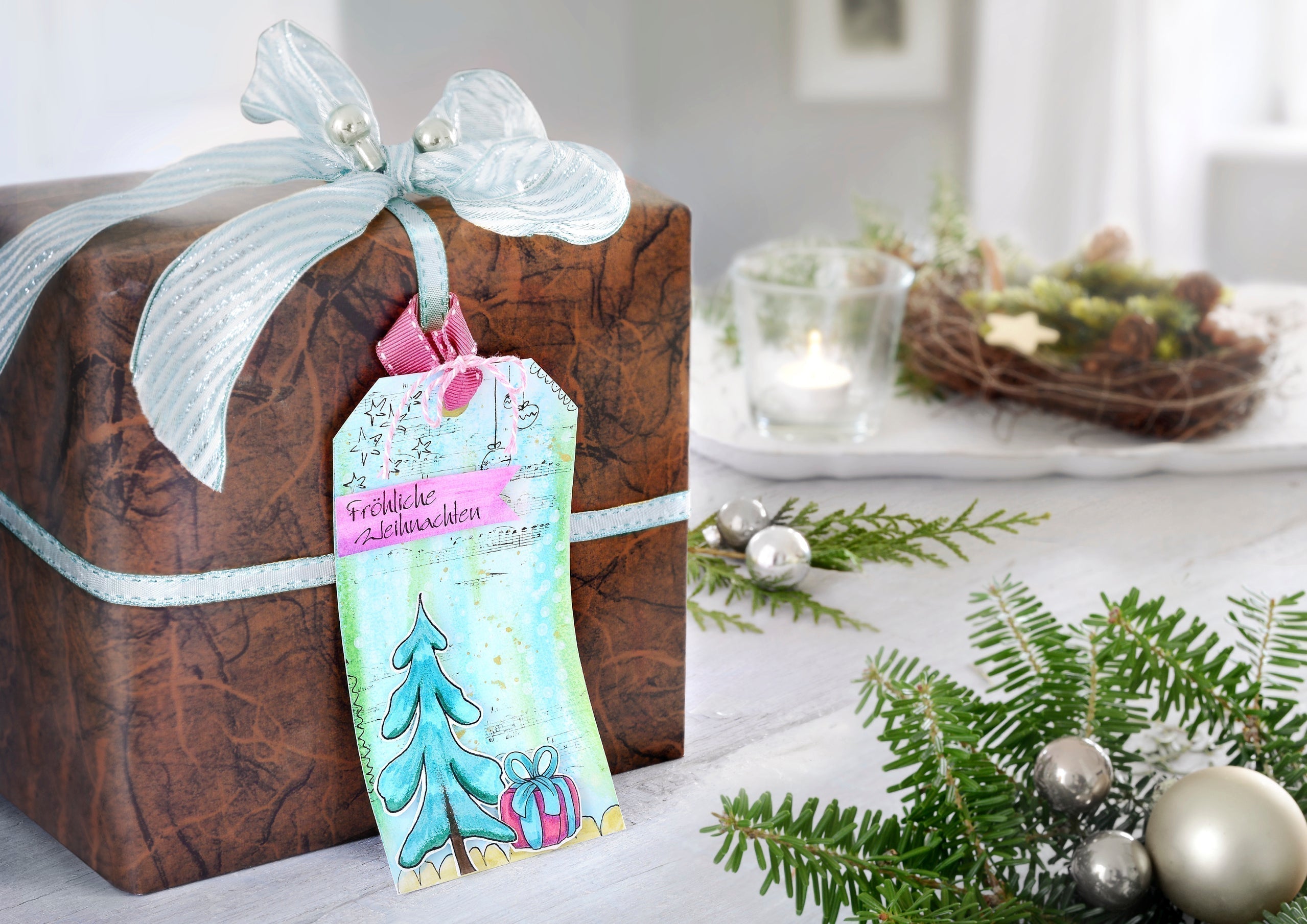
Seasonal crafting and gifting habits also play a role. Washi tape is widely used during holidays for gift wrapping, card making, and small decorative touches that feel personal without being permanent. It has become a staple in home offices, bullet journals, and planners where flexibility matters.
Another reason washi tape resonates in Canada is the climate and lifestyle. People spend long months indoors during colder seasons, and creative hobbies like journaling, scrapbooking, and planning become comforting routines. Washi tape for journaling offers a way to add warmth and personality to those routines without requiring artistic skill.
Types of Washi Tape (And How to Choose the Right One)
Not all washi tape is the same, and understanding the different types helps you choose what works best for your projects. The variety available today can feel overwhelming, but each category serves a clear purpose.
1. Classic Paper Washi Tape
Classic paper washi tape is what most people imagine first. It has a matte finish, a soft paper texture, and traditional adhesive strength. This type is ideal for planners, notebooks, and everyday journaling. It works especially well for borders, section dividers, and subtle decoration.
Because it blends seamlessly with writing paper, classic washi tape for journaling feels integrated rather than distracting. It is the best starting point for beginners and minimalists alike.
2. Foil & Metallic Washi Tape
Foil and metallic washi tape adds shine. Gold, silver, rose gold, and holographic finishes catch the light and create contrast on the page. These tapes are best used as accents rather than foundations.
Many journalers reserve metallic washi tape for highlights, headers, or special dates. In planners, it is often used to mark events or milestones. When paired carefully with matte paper tape, it adds depth without overwhelming the layout.
3. Transparent & PET Washi Tape
Transparent and PET-based washi tapes are a newer evolution. They allow for layering effects, where the page beneath remains visible. This style is popular in modern journaling aesthetics that favour lightness and visual flow.
These tapes often feature delicate illustrations, florals, or typography that appear to float on the page. They work beautifully in memory keeping and creative spreads where subtlety matters.
4. Patterned vs Solid Washi Tape
Patterned washi tape includes illustrations, motifs, themes, and repeating designs. Solid washi tape focuses on colour and tone. Choosing between them depends on your personal style.
Minimalists often gravitate toward solid or lightly textured tape. Decorative enthusiasts enjoy bold patterns and cute washi tape designs that tell a story. Many experienced journalers keep both, using solid tape for structure and patterned tape for expression.
Creative Ways to Use Washi Tape

One of the reasons washi tape remains so popular is how easily it adapts to different creative uses. It does not demand precision or planning, which makes it approachable for beginners.
1. Washi Tape for Journaling
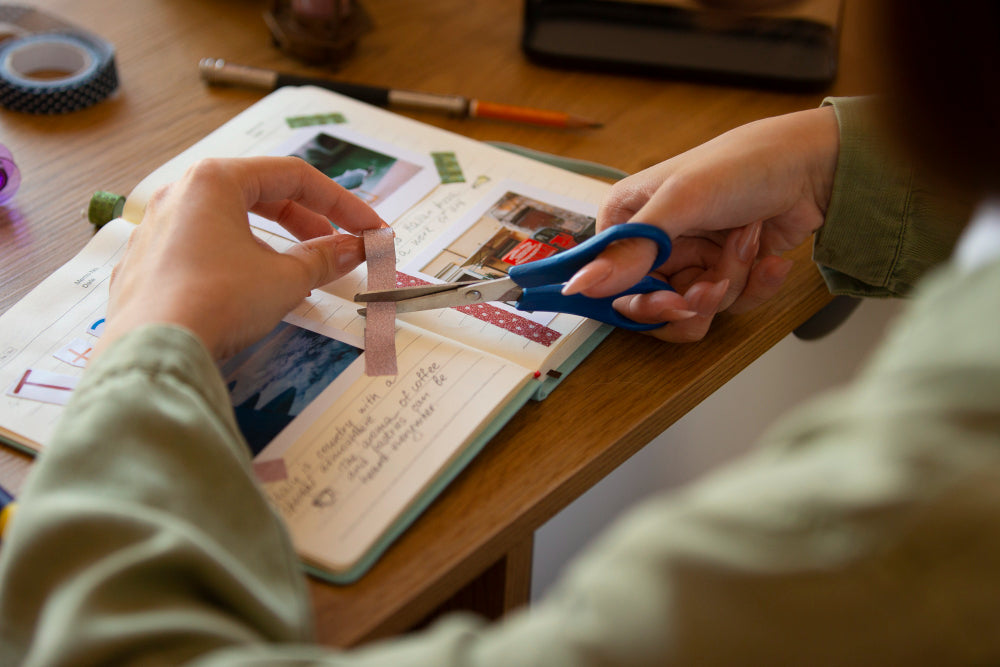
In journaling, washi tape often replaces drawn lines or headings. It can divide a page into sections, create margins, or frame entries. Habit trackers become simpler when columns are created with tape instead of rulers.
Washi suits a Traveler's Notebook particularly well, since the removable inserts make it easy to try a layout without committing to a bound book.
Borders made with washi tape soften the page and make writing feel less intimidating. This is especially helpful for people who struggle with blank page anxiety.
2. Washi Tape for Planners & Calendars
Planner washi tape is often used for colour coding. Different colours can represent work, personal tasks, health, or social events. Weekly spreads become easier to read when visual cues guide the eye.
Event markers made with tape are less rigid than stickers and can be adjusted as plans change. This flexibility is one of the biggest advantages of planner washi tape over printed layouts.
3. Washi Tape for Scrapbooking & Crafts
Washi tape for scrapbooking is ideal for photo framing and memory keeping. Because it does not damage photos or paper, it allows you to experiment freely. Many scrapbookers use washi tape to attach memorabilia temporarily, revisiting layouts later.
In crafts, it can be used for card making, decorating envelopes, and adding detail to handmade projects.
4. Everyday Uses Beyond Journals
Outside of creative notebooks, washi tape appears in everyday life. It is used to decorate pen cases, label notebooks, mark cables, and personalise storage boxes. During holidays, it becomes an easy way to elevate gift wrapping without scissors or glue.
Also Read: How to Journal with Washi Tape & Stickers: Simple Layouts Anyone Can Copy
Washi Tape vs Stickers: When to Use Each
Washi tape and stickers often appear together, but they serve different roles. Washi tape excels at flexibility. It can be repositioned, layered, and extended across pages. Stickers are better as focal points, icons, or visual anchors.
Many experienced journalers use a simple layering approach: tape first, sticker second. The tape establishes structure, while the sticker adds emphasis. Together, they create balance without clutter.
How to Store and Organise Washi Tape
As collections grow, storage becomes important. Washi tape cards allow you to wrap small amounts of tape for travel or testing. Storage boxes keep rolls dust-free and visible. Some people prefer drawers for daily use, while others keep a small curated set on their desk.
Keeping adhesive clean is key. Avoid touching the sticky side too often, and store tape away from heat and humidity. Proper storage ensures your washi tape remains usable for years.
Is Washi Tape Safe for Notebooks & Fountain Pen Paper?
One of the most common concerns is whether washi tape damages paper. When used properly, it does not. It works exceptionally well with thin yet strong papers such as Tomoe River.
Because it leaves no residue and does not tear fibres, it is safe for premium notebooks. Many people use washi tape alongside fountain pen ink without issues, as long as ink is allowed to dry fully before taping.
This makes it ideal for Hobonichi, Midori, and similar notebooks where paper quality matters. Washi tape for journaling complements ink rather than competing with it.
Where to Buy Washi Tape in Canada
Buying washi tape locally has advantages. You get faster shipping, easier returns, and access to designs curated for Canadian tastes. Authentic japanese washi tape is best sourced through trusted retailers who understand paper quality and adhesive behaviour.
Shopping from a Canadian retailer like Blesket Canada ensures you receive genuine products that perform as expected on notebooks and planners.
A reliable place to explore a wide range of washi tape designs, from minimal to decorative, is our collection of Washi Tapes and Stickers.
Frequently Asked Questions About Washi Tape
1. Does washi tape damage paper or notebooks?
No. Washi tape is designed to be gentle and removable. When peeled carefully, it does not tear pages or leave residue, even on thin writing paper.
2. Is washi tape reusable?
Yes, in most cases. Washi tape can usually be lifted and repositioned several times before it starts losing adhesion.
3. Can you write on washi tape?
You can. Gel pens, ballpoint pens, and fine markers work best on paper-based washi tape. Very wet inks may need extra drying time.
4. Does washi tape work with fountain pen ink?
Yes. Washi tape pairs well with fountain pen ink, especially when the ink is fully dry before taping over or near it.
5. Is washi tape safe for Hobonichi and Tomoe River paper?
Absolutely. Washi tape is widely used in Hobonichi planners and other Tomoe River paper notebooks because it does not tear or bleed through the pages.
6. How long does washi tape last?
When stored properly away from heat and humidity, washi tape can last for years without drying out or losing its stickiness.
7. What type of washi tape is best for beginners?
Classic paper washi tape with a matte finish is the easiest to start with. It’s forgiving, versatile, and works well for journaling, planners, and scrapbooking.
Washi tape may seem simple, but its impact on creative habits is profound. It removes fear, encourages experimentation, and makes journaling more sustainable. Whether you are decorating a planner, building a scrapbook, or simply trying to make writing feel easier, washi tape proves that the smallest tools often make the biggest difference.

Comments