
Do People Still Use Fountain Pens? Yes - Here's Why
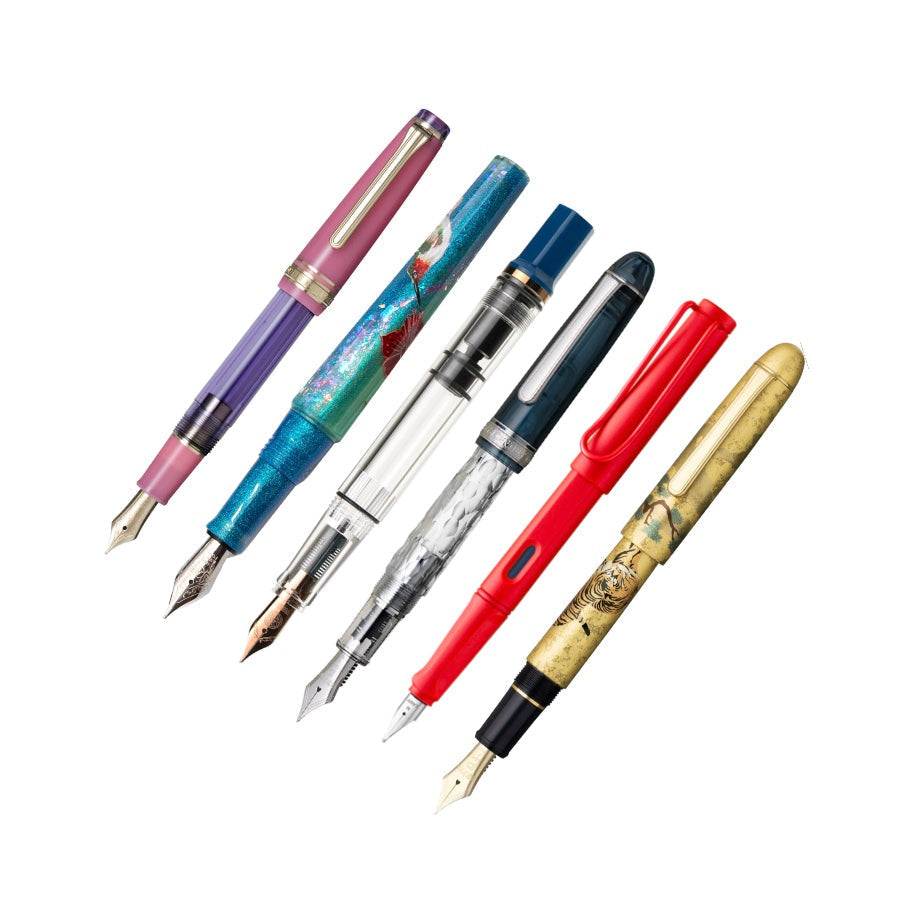
I get asked this at the counter more often than you'd think - usually by someone buying a fountain pen as a gift, half-whispering it like they're asking whether people still use fax machines: "Do people actually still write with these?"
Short answer: yes - more than they have in decades. Fountain pens stopped being the default pen sixty years ago, but they never went away, and the last few years have brought a genuine revival. I watch it happen in the shop every week: students who found journaling on TikTok, engineers who want one good pen instead of a drawer of disposables, retirees coming back to the pen they used in school. Let me give you the honest version of the whole story - including when a fountain pen is worth your money and when it isn't.
So - do people still use fountain pens?
They do, and the crowd is bigger and younger than most people expect. Here's who's buying them from us in 2026:
- Journalers and planner people. The journaling boom brought a whole generation to fountain pens - when you write pages daily, the difference in comfort is not subtle.
- Students and note-takers. A pen that glides with zero pressure means your hand doesn't cramp in a two-hour lecture.
- Professionals. Signatures, meeting notes, letters - a fountain pen has a presence a ballpoint doesn't.
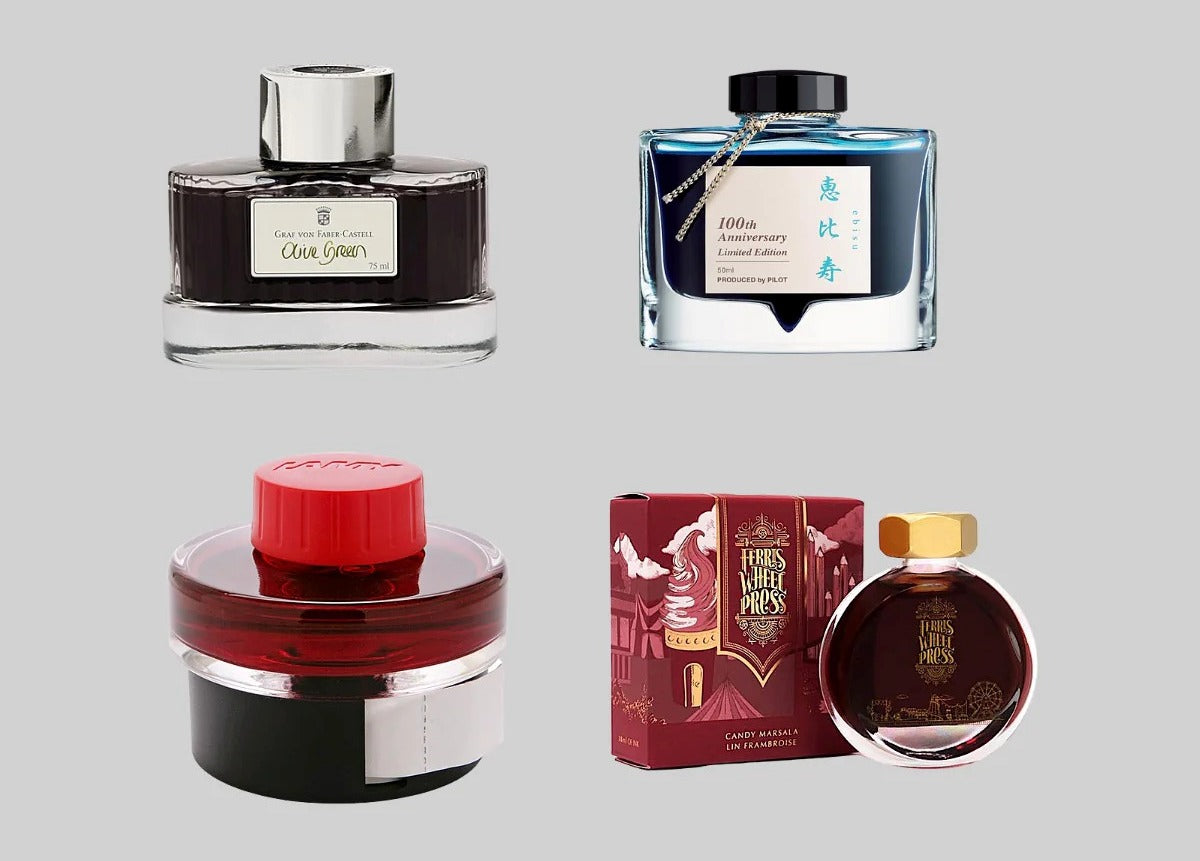
- Collectors and ink lovers. One pen can write in thousands of inks. Many customers come for the pen and stay for the ink shelf.
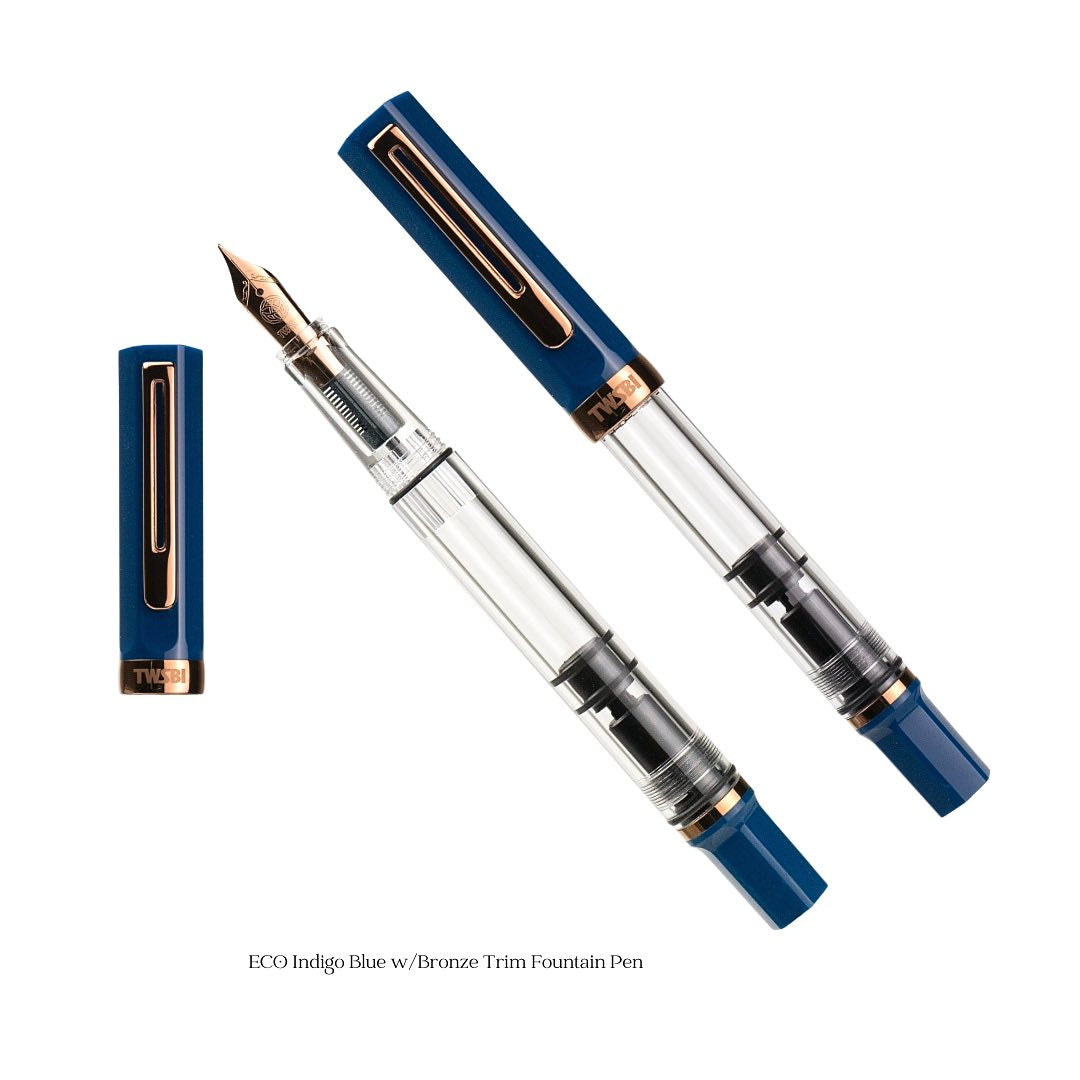
And it's not nostalgia keeping the category alive - brands like Lamy, TWSBI and Pilot sell millions of fountain pens a year, and new models launch every season. We stock more fountain pens today than when we opened, because that's where the demand is.

Why did fountain pens stop being "normal"?
Fair question - if they're so good, why did the world move on? Three reasons, and none of them is "fountain pens are worse":
- The ballpoint was simply more convenient. From the 1950s on, a pen that never needed filling, never leaked on a plane, and cost pocket change was always going to win the everyday-pen war. Convenience beat character.
- Writing itself became optional. Typewriters, then keyboards, then phones - when most words stopped being handwritten, most people stopped thinking about what they handwrite with.
- Cheap became the default. Once pens were disposable, "a nice pen" became a gift-shop curiosity instead of a normal purchase.
So fountain pens didn't fail - the world just stopped needing any pen for a while. Which is exactly why they're back: now that writing by hand is a choice rather than a chore, people choose to enjoy it.
Why people are coming back
- The writing feel. A fountain pen writes with its own weight - no pressing, no dragging. If your hand aches after a page with a ballpoint, this is the fix. It's the single most common "oh!" moment at our testing counter.
- One pen, endless inks. Refill from a bottle in any of thousands of colours. Most of our regulars own more inks than pens.
- It's the sustainable option. A refillable pen plus bottled ink replaces hundreds of disposables. A bottle of ink costs less than a round of coffees and lasts months.
- Your handwriting gets more interesting. Nibs give your letters line variation and character - many people find their handwriting improves simply because they slow down and enjoy it.
- They last. A well-made fountain pen is a buy-once item. We regularly service pens older than the customers carrying them.
Curious about the mechanics behind that effortless line? Here's how a fountain pen works.

Are fountain pens worth it?
Honest answer: it depends on the price tier - and the jumps in price buy different things.
Under $30 - absolutely worth it. Pens like the Pilot Kakuno or a Platinum Preppy write better than any ballpoint you've owned, full stop. If you write more than a grocery list, this tier pays for itself in comfort.
You can find out for yourself for less than ten dollars, the Platinum Preppy writes far better than its price suggests, which is exactly why it converts so many skeptics.
$50–$150 - worth it if you write regularly. This tier buys better materials, smoother nibs, and filling systems that hold more ink (pistons, bigger converters). This is where most daily writers land and stay.
$200+ (the "luxury" question) - worth it for the right reasons. Are luxury fountain pens worth it? As writing tools: usually you're paying for gold nibs (softer, more expressive), hand-finished materials, and heirloom build - real things, but the writing improvement over a $100 pen is smaller than the price suggests. As objects you'll use daily for decades and hand down? That's where they earn it. My honest advice: nobody's first fountain pen should be a luxury pen. Fall in love at $30 first.
Ready to pick one? Start with our guide to the best fountain pens in Canada - organized by budget and experience level.

Frequently asked questions
1. Do people still use fountain pens?
Yes - fountain pens are in the middle of a genuine revival, driven by journaling culture, sustainability, and the simple pleasure of writing by hand. Brands like Lamy, Pilot and TWSBI sell millions of pens a year.
2. Why are fountain pens no longer commonly used?
The ballpoint's convenience won the everyday-pen war in the mid-20th century, and then keyboards replaced most handwriting entirely. Fountain pens didn't get worse - writing by hand just became a choice instead of a necessity.
3. Are fountain pens worth it?
For anyone who writes regularly, yes - even a $20–30 fountain pen writes more comfortably than a ballpoint, needs no pressure, and refills from bottled ink for pennies a page.
4. Are luxury fountain pens worth the money?
You're paying for gold nibs, premium materials, and heirloom build quality - real upgrades, but the writing improvement over a good $100 pen is modest. They're worth it as lifetime daily-use objects, not as a first pen.
5. Do fountain pens write better than ballpoints?
They write differently: no pressure needed, smoother line, more expressive strokes. Most people find them noticeably more comfortable for long writing sessions.
6. Are fountain pens practical for everyday use?
Modern fountain pens are. Cartridges make refilling clean and quick, nibs are durable steel, and a pen like a Lamy Safari or Pilot Kakuno handles daily notes, work bags, and student life without fuss.
Still on the fence? Come by the shop in Brampton and write with a few - that's how most of the "do people still use these?" conversations end, with a smile and an inky thumb.
Salome

Comments