How Fountain Pens Work - Explained simply

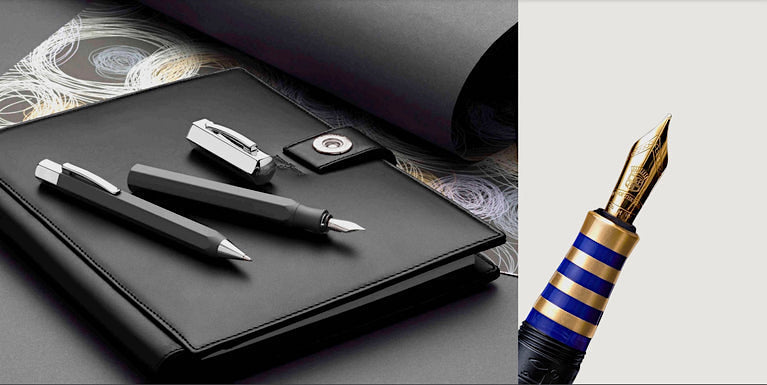
Luxury fountain pen resting on a notebook with writing tools, highlighting nib design and smooth ink flow during writing

Ever wondered how fountain pens work? A fountain pen mechanism uses capillary action and gravity to move liquid ink from the reservoir to the nib, allowing smooth writing with minimal pressure.

What Is a Fountain Pen?

A fountain pen is a writing instrument that uses liquid ink delivered through a nib instead of a rolling ball. To understand how fountain pens work;  ink flows from an internal reservoir or cartridge to the nib using capillary action, allowing smooth and effortless writing. 

Compared to ballpoint or gel pens, fountain pens require less pressure and provide a more refined writing experience. So, what is a fountain pen and why is it popular? Writers and professionals value fountain pens for their smooth ink flow, elegant design, and craftsmanship, making them both practical and stylish.

Key Takeaways

  • Gravity & Capillary Action: The two physical forces that allow ink to flow without a rolling ball.
  • Controlled Flow: The "feed" regulates ink flow, ensuring a consistent line without leaking.
  • Customization: You can choose your ink color, nib size, and filling mechanism.
  • Sustainability: Fountain pens are reusable for a lifetime, reducing plastic waste.
  • Low Pressure: Writing requires zero hand pressure, preventing cramps.

The Core Parts of a Fountain Pen

A fountain pen parts and fountain pen anatomy helps explain how ink flows smoothly while writing. A fountain pen is made up of several key components, each with a specific function.

1. Nib

The nib is the metal tip that touches the paper and one of the most recognizable fountain pen parts. Made from stainless steel or gold, it controls line thickness. A central slit ends in a small breather hole, forming two flexible tines that regulate ink flow.

Different fountain pen nibs displayed on wood surface, showing slit, breather hole, and tine shapes that control ink flow

2.  Feed

The feed, usually made of plastic or ebonite, sits directly under the nib and is a crucial part of fountain pen anatomy. It draws ink from the reservoir to the nib using capillary action and often has thin fins that help regulate ink flow for smooth writing.

Single fountain pen nib held in hand, illustrating how fountain pens work through nib design and controlled ink flow

3. Ink Reservoir

This is where the ink is stored. It can be a disposable cartridge, a refillable converter, or a built-in system like a piston or vacuum filler.

Fountain pen ink cartridge and converter shown side by side, explaining ink filling systems and how fountain pens work

4. Section and Barrel

The barrel is the main body of the pen that screws onto the grip section. It houses and protects the ink reservoir while providing a comfortable grip. Made from materials ranging from lightweight plastic to metal or even volcanic rock, the barrel affects the pen’s weight and feel in hand.

Fountain pen nib and grip section held in hand, showing how ink flows from feed to nib during normal writing use

How Do Fountain Pens Work? The Writing Mechanism Explained

The magic of a fountain pen lies in how it balances two opposing forces: gravity and atmospheric pressure, utilizing a phenomenon called capillary action.

Capillary Action and Gravity Basics

Gravity pulls ink from the reservoir, but capillary action in the feed’s tiny channels controls the flow. This is how fountain pen ink flow works and explains how fountain pens work, delivering smooth, precise ink only when the nib touches the paper.

How Ink Travels from Reservoir to Paper

When the nib touches paper, fibers draw ink from the slit. The feed lets air enter the reservoir to replace the ink, maintaining smooth fountain pen ink flow.

Why Fountain Pens Write with Less Pressure

Because fountain pen ink flow relies on capillary action, the liquid ink glides onto the paper with minimal pressure, unlike ballpoint pens that require force to roll the ball.

Nib Mechanics: What Happens When You Write

Viewing pen nibs as precision-engineered delivery systems is key to grasping how pen nibs work.

If you're ready to try your first fountain pen, the Pilot Metropolitan is one of the most recommended starter pens, it writes smoothly out of the box and costs under $40.


Aspect

Explanation

Nib Shape & Slit

The nib’s shape and slit control ink flow, showing fountain pen nib mechanics.

Tines & Ink Channel

Tines and channels guide ink precisely, explaining how pen nibs work.

Pressure & Angle

Pressure spreads the tines and angle affects flow, highlighting fountain pen nib mechanics.


Feed System: The Unsung Hero

If the nib is the engine, the feed is the fuel injection system.

  • How the Feed Regulates Ink Flow: In the fountain pen feed system, the fins beneath the feed act as a buffer for the fountain pen ink feed. They absorb excess ink caused by air expansion from hand heat and release it gradually, preventing leaks or sudden ink “burps.”

  • Material and Channel Design: Feeds are precision-engineered with ink channels and air pathways that allow controlled exchange. This design enables continuous ink flow without leaks, keeping writing smooth and reliable.

  • Preventing Leaks and Skipping: A well-designed feed prevents leaks by keeping ink from drying out when capped and avoids air bubbles that block the ink channel, reducing skipping and ensuring smooth, continuous writing.

Different Ink Delivery Systems in Fountain Pens

Hand dipping fountain pen nib into ink bottle, illustrating how fountain pens work during manual ink filling

There are several fountain pen ink systems, each offering a different approach to fountain pen ink filling depending on convenience, capacity, and writing preference.

  • Cartridge: Pre-filled cartridges snap into the pen for quick, mess-free refills, making them ideal for beginners.
  • Converter: Converters allow bottled ink use while retaining easy refilling, offering more color options.

  • Piston Filler: A built-in piston draws ink directly into the barrel, providing higher capacity and smoother ink flow.

  • Eyedropper System: This system fills the entire barrel with ink for maximum capacity but requires careful sealing to prevent leaks.

For those who prefer piston-fill pens with large ink capacity, the TWSBI Eco is an excellent choice that lets you see your ink level through its demonstrator barrel.

Ink Cartridge vs Converter

This comparison clearly explains fountain pen cartridge vs converter while keeping the table short and readable.


Feature

Ink Cartridge

Converter

Ease and Convenience

Extremely easy to use; simply insert and write

Requires filling from an ink bottle

Ink Variety

Limited to manufacturer’s cartridge colors

Wide variety of bottled inks available

Ink Capacity

Generally lower capacity

Slightly higher capacity than cartridges

Pros

Clean, portable, beginner-friendly

More ink choices, reusable, cost-effective

Cons

Less eco-friendly, limited customization

Slightly messier, requires cleaning


For a deeper dive into choosing inks, check out our Fountain Pen Ink Guide.

Why Fountain Pens Write Differently Than Other Pens

The fountain pen writing experience stands apart from ballpoint and gel pens due to how ink flows and interacts with the paper. Understanding why fountain pens write differently helps explain their smooth feel and loyal following among writers.

  • Fluid ink and smooth glide: Fountain pens use liquid ink that flows easily through the nib, gliding across the paper with minimal friction for smooth, effortless writing.

  • Less pressure is needed: Less pressure is needed because ink flows naturally through capillary action, allowing the pen to write with light contact and reducing hand fatigue.

  • Customizable nibs and line variation: Different nib sizes, materials, and flex levels create line variation, giving fountain pens an expressive, person writing style.

Common Fountain Pen Terms Explained

For beginners and enthusiasts alike, understanding fountain pen terms makes choosing and using a pen much easier. These common fountain pen concepts describe how a pen writes and how ink behaves on paper.


Fountain pen nib size comparison including extra fine, fine, medium and broad, showing how fountain pens control ink flow

Nib sizes (EF, F, M, B)

Nib sizes are labeled EF (Extra Fine), F (Fine), M (Medium), and B (Broad). Fine nibs produce thin lines, while broader nibs create bolder strokes, affecting line width and writing feel.

Ink flow / wetness

Ink flow, or wetness, shows how much ink reaches the paper. A wet pen produces smooth, dark lines, while a dry pen gives lighter strokes that dry faster.

Feathering and bleed-through

Feathering happens when ink spreads along paper fibers, making lines fuzzy. Bleed-through occurs when ink soaks through the page. Both depend on ink type, nib wetness, and paper quality.

Tips to Maintain Your Fountain Pen

Proper fountain pen care ensures smooth writing and a long-lasting pen. Here are key fountain pen tips for beginners and enthusiasts alike.

Cleaning a fountain pen nib in water, showing how ink dissolves and clears from the feed during routine pen maintenance

Cleaning the Feed and Nib

Clean your pen every 4–8 weeks, or when changing ink, by flushing it with cool water through the nib and feed until the water runs clear.

    For detailed instructions, read our guide on How to Properly Clean a Fountain Pen.

Proper Storage

Store daily-use pens horizontally or nib-up. If unused for a week, clean the pen to prevent ink from drying and clogging the feed.

Choosing the right ink

Use fountain-pen-safe inks to protect the pen and ensure consistent flow. Avoid India ink or heavily pigmented inks unless the pen supports them.

Avoiding clogs

Use your pen regularly, clean it before changing inks, and don’t let the ink dry in the feed. For dried ink, soak the nib section in water to dissolve it.

Common Problems & How Fountain Pens Fix Them

Fountain pens can experience a few common issues, but proper care and understanding help solve them, making fountain pen troubleshooting easier

Transparent fountain pen converter held in hand, showing ink reservoir and piston mechanism used to control ink flow
  • Skipping: Occurs when ink is blocked by dried ink or paper fibers. Cleaning and using fountain-pen-friendly paper fixes this common fountain pen problem.

  • Hard starts: When the pen doesn’t write immediately, flushing the nib and feed or priming the pen restores smooth flow.

  • Dry or overly wet flow: Often caused by ink, feed, or nib alignment. Switching inks, cleaning the feed, or adjusting the writing angle restores balanced fountain pen ink flow

  • Leakage: Caused by pressure changes, improper storage, or worn seals. Storing the pen nib-up and ensuring all parts are secure prevents leaks.

Why Choose Fountain Pens: Benefits Over Other Pens

Fountain pens offer unique advantages of fountain pens and writing experiences that set them apart from other pens.

Decorative fountain pen placed outdoors, highlighting nib structure and the complete ink flow mechanism used for writing

Writing comfort 

Smooth ink flow and minimal pressure reduce hand fatigue for long writing sessions.

Customization 

Fountain pens offer various nibs, inks, filling systems, and materials, letting users tailor their writing experience to personal style.

Eco-friendly options 

Refillable fountain pens reduce plastic waste, making them a more sustainable choice than disposable pens.

Style and tradition 

Elegant design and craftsmanship make fountain pens timeless and stylish, highlighting the fountain pen benefits.

Once you have your pen, the next step is choosing an ink. Explore our fountain pen ink collection featuring brands like Pilot Iroshizuku, Diamine, and Wearingeul.

FAQs About How Fountain Pens Work

Q1. Do fountain pens need special paper?

No, but smooth, high-quality paper helps prevent feathering and bleed-through for cleaner writing.

Q2. Why do fountain pens skip?

Fountain pens skip due to dried ink, paper fibers in the nib, or an incorrect writing angle. Flushing the pen or adjusting your grip usually fixes it.

Q3.  Can fountain pens write upside down?

Generally no, fountain pens rely on gravity and capillary action, so pointing the nib up usually stops the ink flow.

Q4. How often do fountain pens need ink refills?

It depends on usage and nib size, broad nibs use more. Cartridges last ~10–20 pages; piston fillers can last twice as long.

Comments

Be the first to comment.
All comments are moderated before being published.