
How to Clean a Pilot Vanishing Point Fountain Pen (Step-by-Step Guide)
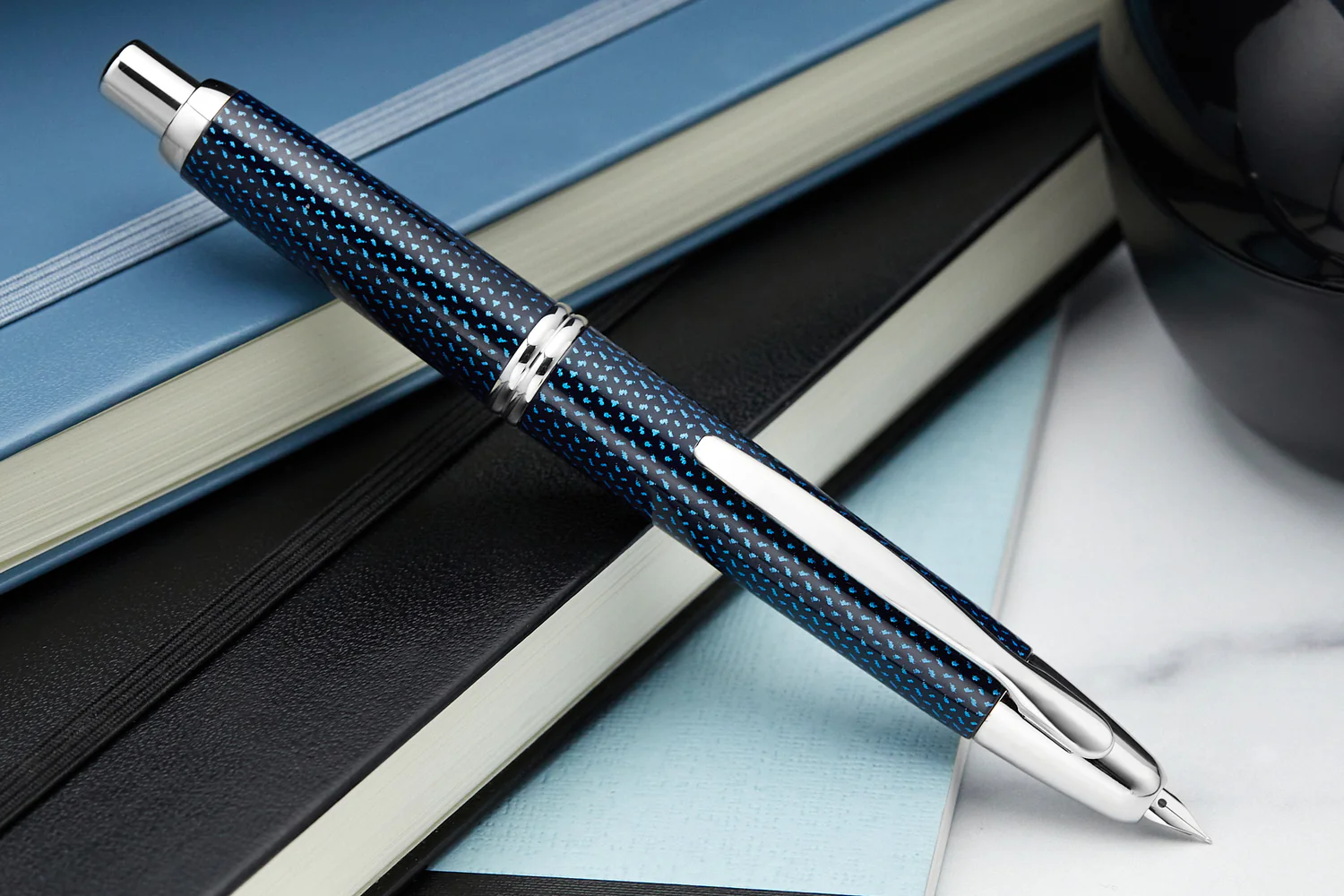
A Pilot Vanishing Point fountain pen needs regular cleaning to keep the retractable nib working smoothly and ink flowing without interruptions. This guide walks you through how to clean a Pilot Vanishing Point properly, whether you’re doing routine maintenance or a deeper Pilot Vanishing Point cleaning to fix skips or clogs. With the right steps, you can safely clean your Pilot Vanishing Point pen and keep it writing like new.
Key Takeaways
-
Regular Pilot Vanishing Point cleaning helps prevent ink clogs in the retractable nib and keeps ink flow smooth.
-
Using the right tools and gentle cleaning methods protects the nib unit and internal mechanism.
-
Proper handling of the removable nib unit is essential to avoid damaging the pen’s retractable design.
-
Cleaning frequency should match usage habits, especially when switching ink colors or using specialty inks.
- Careful drying and correct reassembly ensure your Pilot Vanishing Point pen stays reliable and long-lasting.
Why Regular Cleaning Is Important for a Pilot Vanishing Point
Proper Pilot Vanishing Point maintenance prevents ink clogs, ensures smooth ink flow, and extends your pen’s lifespan. Regular Pilot Vanishing Point care keeps the retractable nib working perfectly and maintains reliable performance.

Prevents Ink Clogs in the Retractable Nib
The Vanishing Point’s unique internal trapdoor keeps the nib moist, but it’s a magnet for microscopic ink splatters. Without regular Pilot Vanishing Point maintenance, dried buildup can lead to:
-
Hard Starts: A "crusty" nib that won't flow immediately.
-
Sticky Mechanics: Resistance or "catching" when clicking the pen.
- Internal Damage: Increased friction that can eventually jam the retraction spring.
Regular Pilot Vanishing Point care removes dried ink and tiny paper fibers, keeping your pen’s ink delivery smooth and reliable. Proper Pilot Vanishing Point maintenance prevents skipping or uneven lines, so every stroke feels consistent and effortless.
Extends Pen Lifespan
Ink residue left inside the pen can affect internal components over time. Regular maintenance protects the nib unit and mechanism, helping your Pilot Vanishing Point perform well for years.
Why Vanishing Point Pens Need Regular Cleaning
The Vanishing Point’s retractable nib contacts more internal parts and air than standard pens, making frequent care essential to prevent ink buildup and drying.
What You’ll Need to Clean a Pilot Vanishing Point
The right fountain pen cleaning supplies ensure a safe, thorough deep clean without risking damage to your pen's intricate hardware.

Lukewarm Clean Water
Plain, room-temperature water is the safest solvent for your pen, effectively dissolving water-based inks without risking damage to the delicate internal components.
Essential Cleaning Tools
The proper Pilot Vanishing Point cleaning tools streamlines the maintenance process:
-
Bulb Syringe or Converter: A bulb syringe is highly recommended for flushing the nib unit with enough pressure to clear stubborn residue.
-
Soft Cloth or Paper Towel: Ideal for gently blotting the nib and wiping down the barrel to prevent water spots.
Optional Pen Flush
For heavy buildup or when switching from shimmering inks, a dedicated pen flush can help break down stubborn particles that water alone might miss.
What Not to Use
To protect your pen's finish and mechanics, steer clear of these damaging substances:
-
Hot Water: Can warp the feed or compromise internal seals.
-
Alcohol or Solvents: These will strip the pen's finish and degrade plastic parts.
-
Harsh Chemicals: Bleach or window cleaners are far too abrasive for the gold nib and trapdoor mechanism.
How the Pilot Vanishing Point Design Affects Cleaning
The Pilot Vanishing Point is unique because it lacks a traditional cap, relying instead on a sophisticated internal shutter. Understanding this retractable fountain pen cleaning process requires a quick look at how the pen is built.

Retractable Nib Mechanism Overview
The Vanishing Point’s unique design presents specific challenges for retractable fountain pen cleaning compared to traditional capped models:
-
Internal Shutter: A spring-loaded "trapdoor" at the nose cone seals the nib but can collect microscopic ink splatters that gum up the mechanism.
-
Enclosed Environment: Without the air circulation of a capped pen, ink residue inside the barrel can thicken and dry more quickly.
-
Hidden Buildup: Because ink often gets trapped behind the shutter, a thorough internal rinse of the Pilot Vanishing Point nib unit housing is essential to prevent mechanical sticking.
Removable Nib Unit Structure
The Pilot Vanishing Point nib unit is a slim, removable assembly that slides out when the barrel is unscrewed, allowing thorough cleaning without wetting the click-mechanism spring.
Why Correct Handling Is Important
Handle the long, delicate nib unit gently, and avoid forcing tools through the nose cone to prevent misalignment, scratches, or drying out.
Step-by-Step: How to Clean a Pilot Vanishing Point
Pilot Vanishing Point cleaning guide to keep your pen in top shape. By mastering how to clean Pilot Vanishing Point step by step, you ensure a lifetime of reliable writing.

-
Safely Removing the Nib Unit: Unscrew the barrel at the center and gently slide the long Pilot Vanishing Point nib unit out of the front housing. Be careful not to drop it, as the unit is slender and the gold nib is delicate.
-
Detaching the Cartridge or Converter: Gently pull the ink cartridge or converter away from the back of the nib unit. If you are using a metal cartridge cover, set it aside safely. This opens up the feed for a thorough flush.
-
Flushing Ink From the Nib: Hold the nib unit under a stream of lukewarm water or use a bulb syringe to push water through the back of the unit. Using a bulb syringe provides the gentle pressure needed to clear stubborn ink from the feed.
-
Repeating Until Water Runs Clear: Flush until the water runs completely colorless. Finish by rinsing the front barrel to clear hidden splatters from the trapdoor, then blot all parts dry with a soft cloth.
How to Flush the Pilot Vanishing Point Nib Unit

A Pilot Vanishing Point nib cleaning is the most effective way to maintain peak performance. Follow these steps to flush your Pilot Vanishing Point thoroughly:
-
Use a Bulb Syringe or Converter: For effective Pilot Vanishing Point nib cleaning, a rubber bulb syringe is ideal, as it provides enough pressure to flush stubborn, dried ink.
-
Correct Water Flow Direction: Always flush the Pilot Vanishing Point from the back of the nib unit toward the tip to follow the natural ink path and avoid clogging.
-
Signs of a Deep Clean: The nib is fully clean when water runs clear, and no ink appears on a paper towel.
How to Clean a Pilot Vanishing Point Converter

Proper fountain pen converter care keeps ink clean and the converter working smoothly, follow these steps for quick Pilot Vanishing Point converter cleaning.
-
Remove Ink Residue: Rinse thoroughly until the water runs clear for effective Pilot Vanishing Point converter cleaning.
-
Ensure Smooth Piston Movement: Operate the piston repeatedly with clean water to maintain smooth action as part of proper fountain pen converter care.
-
Proper Drying Before Reuse: Allow the converter to air-dry fully to avoid ink dilution and ensure reliable cleaning of the Pilot Vanishing Point converter.
How to Dry and Reassemble the Pilot Vanishing Point
Patience matters at this final stage; making sure every part is completely dry ensures you can reassemble Pilot Vanishing Point for smooth, reliable use right away.

Air-Drying Time
The nib unit and converter air-dry for several hours until completely moisture-free to properly dry fountain pen nib components.
Avoid Moisture Inside the Pen Body
Ensure the internal barrel and trapdoor are bone-dry before you reassemble Pilot Vanishing Point; trapped moisture can cause internal corrosion or dilute your ink into watery, thin lines.
Proper Reassembly Steps
These steps to safely seat your Pilot Vanishing Point nib unit and put your pen back together:
-
Align the Unit: Match the small metal "wing" on the nib unit with the notch inside the front barrel.
-
Insert Gently: Slide the unit in; if it doesn't sit flush, realign it rather than forcing it.
-
Secure and Test: Screw the barrel halves together and test the click mechanism to ensure smooth movement.
How Often Should You Clean a Pilot Vanishing Point?
The right fountain pen cleaning frequency depends entirely on your writing habits and ink choices. Use the table below to decide how often to clean Pilot Vanishing Point:
Factor
Cleaning Recommendation
Purpose
Daily Use
Every 4–8 weeks
Prevents ink from drying inside the Pilot Vanishing Point nib unit.
Occasional Use
Every 2 weeks
Combats evaporation since the "trapdoor" is not airtight like a screw-cap.
Changing Colors
Before every new ink fill
Ensures the new color isn't muddied by previous ink residue.
Warning Signs
Immediate cleaning
Addresses hard starts, a "sticky" clicker, or thinning ink flow.
Cleaning a Pilot Vanishing Point After Using Pigmented or Shimmer Ink
Specialty inks need careful handling to keep your pen in top condition. Follow these tips for clean Pilot Vanishing Point pigmented ink and shimmer ink fountain pen cleaning:

Risks of Specialty Inks
Pigmented or shimmer inks can leave particles that clog the feed or retractable mechanism, causing skipping or damage if not properly cleaned.
Extra Flushing Steps
When performing shimmer ink fountain pen cleaning, standard rinsing isn't enough:
-
Forceful Flushing: Use a bulb syringe to push water through the nib unit with more pressure than a converter can provide.
-
Ultrasonic Cleaning: If particles remain visible, placing the nib unit in an ultrasonic cleaner for a few minutes can vibrate trapped shimmer out of the hidden fins.
-
Trapdoor Check: Carefully wipe the internal trapdoor with a damp cotton swab to remove any glitter that may have rubbed off the nib.
When a Pen Flush Is Recommended
For stubborn pigments or shimmer, a dedicated pen flush solution can safely dissolve ink deposits without harming your Pilot Vanishing Point, especially if water alone doesn’t clear the nib.
Common Mistakes to Avoid When Cleaning a Pilot Vanishing Point
Avoid these Pilot Vanishing Point cleaning mistakes to ensure long-lasting performance and fountain pen care errors

Using Hot or Dirty Water
Hot water can warp components, and dirty water may leave debris in the nib or feed,always use clean, lukewarm water.
Forcing the Nib Mechanism
Never push tools through the nib or trapdoor; forcing the mechanism can bend or damage delicate parts.
Letting Ink Dry Inside the Pen
The most common Pilot Vanishing Point cleaning mistakes is leaving ink in an unused pen for months, which can evaporate through the trapdoor and form stubborn sludge that’s difficult to flush from the nib unit and housing.
Skipping Routine Cleaning
The most frequent fountain pen care errors is skipping regular cleaning. Neglecting routine maintenance allows ink to dry inside the nib and feed, leading to clogs, hard starts, and reduced pen performance.
Troubleshooting Issues After Cleaning>
If your pen experiences problems after maintenance, follow these tips to fix Pilot Vanishing Point ink flow problems and prevent Vanishing Point hard starting:

Hard Starts After Cleaning
A nib unit not fully dry or improperly reassembled can cause the pen to start inconsistently. Ensure all components are completely moisture-free before use.
Inconsistent Ink Flow
Partial clogs or leftover ink particles can cause Pilot Vanishing Point ink flow problems; check the feed and flush again if needed.
-
The Fix: Point the nib upward and gently tap the side of the barrel to encourage air bubbles to rise.
-
The "Prime": You can also slightly twist the converter to force a single drop of ink out of the nib, which re-establishes a solid column of ink.
When to Repeat Flushing
If the pen continues to skip or feel "dry" even after priming, you should repeat the flushing process. This is necessary if:
-
Residual Ink: You see streaks of the previous color in your new ink.
-
Persistent Clogs: You used a high-maintenance ink (shimmer or pigment) and the flow remains restricted.
-
Gritty Feeling: The click mechanism still feels rough, suggesting ink is still trapped in the internal spring area.

Choose Blesket fountain pens for a reliable and complete Pilot Vanishing Point experience. Here’s why:
Reason
Details
Authentic Pilot Products
All pens and accessories are genuine Pilot Vanishing Point items, ensuring quality and reliability.
Wide Availability
Find inks, converters, nib units, and other accessories to complement your pen.
Trusted Retailer
Blesket is a reputable source for Blesket fountain pens, known for excellent customer service.
Pen Care Support
Offers guidance and resources for cleaning, maintenance, and proper use of your Pilot Vanishing Point.
Convenient Online Purchase
Easily buy Pilot Vanishing Point online with secure shipping and fast delivery.
FAQs
Q1: Can the pen be fully disassembled?
No, only the nib unit can be removed; the click mechanism and barrel should remain intact to avoid damage.
Q2: Is pen flush safe for Vanishing Point pens?
Yes, a mild pen flush is safe for stubborn ink, but always follow instructions and avoid harsh chemicals.
Q3: Can the nib be cleaned without removal?
Minor cleaning can be done with the nib in place, but full flushing requires removing the nib unit for best results.
Q4: Which inks are safest to use?
Water-based, dye-based inks are safest; pigmented, shimmer, or waterproof inks require extra care to prevent clogging.
Regular Pilot Vanishing Point care removes dried ink and tiny paper fibers, keeping your pen’s ink delivery smooth and reliable. Proper Pilot Vanishing Point maintenance prevents skipping or uneven lines, so every stroke feels consistent and effortless.
Extends Pen Lifespan
Ink residue left inside the pen can affect internal components over time. Regular maintenance protects the nib unit and mechanism, helping your Pilot Vanishing Point perform well for years.
Why Vanishing Point Pens Need Regular Cleaning
The Vanishing Point’s retractable nib contacts more internal parts and air than standard pens, making frequent care essential to prevent ink buildup and drying.
What You’ll Need to Clean a Pilot Vanishing Point
The right fountain pen cleaning supplies ensure a safe, thorough deep clean without risking damage to your pen's intricate hardware.
Lukewarm Clean Water
Plain, room-temperature water is the safest solvent for your pen, effectively dissolving water-based inks without risking damage to the delicate internal components.
Essential Cleaning Tools
The proper Pilot Vanishing Point cleaning tools streamlines the maintenance process:
-
Bulb Syringe or Converter: A bulb syringe is highly recommended for flushing the nib unit with enough pressure to clear stubborn residue.
- Soft Cloth or Paper Towel: Ideal for gently blotting the nib and wiping down the barrel to prevent water spots.
Optional Pen Flush
For heavy buildup or when switching from shimmering inks, a dedicated pen flush can help break down stubborn particles that water alone might miss.
What Not to Use
To protect your pen's finish and mechanics, steer clear of these damaging substances:
-
Hot Water: Can warp the feed or compromise internal seals.
-
Alcohol or Solvents: These will strip the pen's finish and degrade plastic parts.
- Harsh Chemicals: Bleach or window cleaners are far too abrasive for the gold nib and trapdoor mechanism.
How the Pilot Vanishing Point Design Affects Cleaning
The Pilot Vanishing Point is unique because it lacks a traditional cap, relying instead on a sophisticated internal shutter. Understanding this retractable fountain pen cleaning process requires a quick look at how the pen is built.
Retractable Nib Mechanism Overview
The Vanishing Point’s unique design presents specific challenges for retractable fountain pen cleaning compared to traditional capped models:
-
Internal Shutter: A spring-loaded "trapdoor" at the nose cone seals the nib but can collect microscopic ink splatters that gum up the mechanism.
-
Enclosed Environment: Without the air circulation of a capped pen, ink residue inside the barrel can thicken and dry more quickly.
- Hidden Buildup: Because ink often gets trapped behind the shutter, a thorough internal rinse of the Pilot Vanishing Point nib unit housing is essential to prevent mechanical sticking.
Removable Nib Unit Structure
The Pilot Vanishing Point nib unit is a slim, removable assembly that slides out when the barrel is unscrewed, allowing thorough cleaning without wetting the click-mechanism spring.
Why Correct Handling Is Important
Handle the long, delicate nib unit gently, and avoid forcing tools through the nose cone to prevent misalignment, scratches, or drying out.
Step-by-Step: How to Clean a Pilot Vanishing Point
Pilot Vanishing Point cleaning guide to keep your pen in top shape. By mastering how to clean Pilot Vanishing Point step by step, you ensure a lifetime of reliable writing.
-
Safely Removing the Nib Unit: Unscrew the barrel at the center and gently slide the long Pilot Vanishing Point nib unit out of the front housing. Be careful not to drop it, as the unit is slender and the gold nib is delicate.
-
Detaching the Cartridge or Converter: Gently pull the ink cartridge or converter away from the back of the nib unit. If you are using a metal cartridge cover, set it aside safely. This opens up the feed for a thorough flush.
-
Flushing Ink From the Nib: Hold the nib unit under a stream of lukewarm water or use a bulb syringe to push water through the back of the unit. Using a bulb syringe provides the gentle pressure needed to clear stubborn ink from the feed.
- Repeating Until Water Runs Clear: Flush until the water runs completely colorless. Finish by rinsing the front barrel to clear hidden splatters from the trapdoor, then blot all parts dry with a soft cloth.
How to Flush the Pilot Vanishing Point Nib Unit
A Pilot Vanishing Point nib cleaning is the most effective way to maintain peak performance. Follow these steps to flush your Pilot Vanishing Point thoroughly:
-
Use a Bulb Syringe or Converter: For effective Pilot Vanishing Point nib cleaning, a rubber bulb syringe is ideal, as it provides enough pressure to flush stubborn, dried ink.
-
Correct Water Flow Direction: Always flush the Pilot Vanishing Point from the back of the nib unit toward the tip to follow the natural ink path and avoid clogging.
- Signs of a Deep Clean: The nib is fully clean when water runs clear, and no ink appears on a paper towel.
How to Clean a Pilot Vanishing Point Converter
Proper fountain pen converter care keeps ink clean and the converter working smoothly, follow these steps for quick Pilot Vanishing Point converter cleaning.
-
Remove Ink Residue: Rinse thoroughly until the water runs clear for effective Pilot Vanishing Point converter cleaning.
-
Ensure Smooth Piston Movement: Operate the piston repeatedly with clean water to maintain smooth action as part of proper fountain pen converter care.
- Proper Drying Before Reuse: Allow the converter to air-dry fully to avoid ink dilution and ensure reliable cleaning of the Pilot Vanishing Point converter.
How to Dry and Reassemble the Pilot Vanishing Point
Patience matters at this final stage; making sure every part is completely dry ensures you can reassemble Pilot Vanishing Point for smooth, reliable use right away.
Air-Drying Time
The nib unit and converter air-dry for several hours until completely moisture-free to properly dry fountain pen nib components.
Avoid Moisture Inside the Pen Body
Ensure the internal barrel and trapdoor are bone-dry before you reassemble Pilot Vanishing Point; trapped moisture can cause internal corrosion or dilute your ink into watery, thin lines.
Proper Reassembly Steps
These steps to safely seat your Pilot Vanishing Point nib unit and put your pen back together:
-
Align the Unit: Match the small metal "wing" on the nib unit with the notch inside the front barrel.
-
Insert Gently: Slide the unit in; if it doesn't sit flush, realign it rather than forcing it.
- Secure and Test: Screw the barrel halves together and test the click mechanism to ensure smooth movement.
How Often Should You Clean a Pilot Vanishing Point?
The right fountain pen cleaning frequency depends entirely on your writing habits and ink choices. Use the table below to decide how often to clean Pilot Vanishing Point:
|
Factor |
Cleaning Recommendation |
Purpose |
|
Daily Use |
Every 4–8 weeks |
Prevents ink from drying inside the Pilot Vanishing Point nib unit. |
|
Occasional Use |
Every 2 weeks |
Combats evaporation since the "trapdoor" is not airtight like a screw-cap. |
|
Changing Colors |
Before every new ink fill |
Ensures the new color isn't muddied by previous ink residue. |
|
Warning Signs |
Immediate cleaning |
Addresses hard starts, a "sticky" clicker, or thinning ink flow. |
Cleaning a Pilot Vanishing Point After Using Pigmented or Shimmer Ink
Specialty inks need careful handling to keep your pen in top condition. Follow these tips for clean Pilot Vanishing Point pigmented ink and shimmer ink fountain pen cleaning:
Risks of Specialty Inks
Pigmented or shimmer inks can leave particles that clog the feed or retractable mechanism, causing skipping or damage if not properly cleaned.
Extra Flushing Steps
When performing shimmer ink fountain pen cleaning, standard rinsing isn't enough:
-
Forceful Flushing: Use a bulb syringe to push water through the nib unit with more pressure than a converter can provide.
-
Ultrasonic Cleaning: If particles remain visible, placing the nib unit in an ultrasonic cleaner for a few minutes can vibrate trapped shimmer out of the hidden fins.
- Trapdoor Check: Carefully wipe the internal trapdoor with a damp cotton swab to remove any glitter that may have rubbed off the nib.
When a Pen Flush Is Recommended
For stubborn pigments or shimmer, a dedicated pen flush solution can safely dissolve ink deposits without harming your Pilot Vanishing Point, especially if water alone doesn’t clear the nib.
Common Mistakes to Avoid When Cleaning a Pilot Vanishing Point
Avoid these Pilot Vanishing Point cleaning mistakes to ensure long-lasting performance and fountain pen care errors
Using Hot or Dirty Water
Hot water can warp components, and dirty water may leave debris in the nib or feed,always use clean, lukewarm water.
Forcing the Nib Mechanism
Never push tools through the nib or trapdoor; forcing the mechanism can bend or damage delicate parts.
Letting Ink Dry Inside the Pen
The most common Pilot Vanishing Point cleaning mistakes is leaving ink in an unused pen for months, which can evaporate through the trapdoor and form stubborn sludge that’s difficult to flush from the nib unit and housing.
Skipping Routine Cleaning
The most frequent fountain pen care errors is skipping regular cleaning. Neglecting routine maintenance allows ink to dry inside the nib and feed, leading to clogs, hard starts, and reduced pen performance.
Troubleshooting Issues After Cleaning>
If your pen experiences problems after maintenance, follow these tips to fix Pilot Vanishing Point ink flow problems and prevent Vanishing Point hard starting:
Hard Starts After Cleaning
A nib unit not fully dry or improperly reassembled can cause the pen to start inconsistently. Ensure all components are completely moisture-free before use.
Inconsistent Ink Flow
Partial clogs or leftover ink particles can cause Pilot Vanishing Point ink flow problems; check the feed and flush again if needed.
-
The Fix: Point the nib upward and gently tap the side of the barrel to encourage air bubbles to rise.
- The "Prime": You can also slightly twist the converter to force a single drop of ink out of the nib, which re-establishes a solid column of ink.
When to Repeat Flushing
If the pen continues to skip or feel "dry" even after priming, you should repeat the flushing process. This is necessary if:
-
Residual Ink: You see streaks of the previous color in your new ink.
-
Persistent Clogs: You used a high-maintenance ink (shimmer or pigment) and the flow remains restricted.
- Gritty Feeling: The click mechanism still feels rough, suggesting ink is still trapped in the internal spring area.
Choose Blesket fountain pens for a reliable and complete Pilot Vanishing Point experience. Here’s why:
Reason
Details
Authentic Pilot Products
All pens and accessories are genuine Pilot Vanishing Point items, ensuring quality and reliability.
Wide Availability
Find inks, converters, nib units, and other accessories to complement your pen.
Trusted Retailer
Blesket is a reputable source for Blesket fountain pens, known for excellent customer service.
Pen Care Support
Offers guidance and resources for cleaning, maintenance, and proper use of your Pilot Vanishing Point.
Convenient Online Purchase
Easily buy Pilot Vanishing Point online with secure shipping and fast delivery.
FAQs
Q1: Can the pen be fully disassembled?
No, only the nib unit can be removed; the click mechanism and barrel should remain intact to avoid damage.
Q2: Is pen flush safe for Vanishing Point pens?
Yes, a mild pen flush is safe for stubborn ink, but always follow instructions and avoid harsh chemicals.
Q3: Can the nib be cleaned without removal?
Minor cleaning can be done with the nib in place, but full flushing requires removing the nib unit for best results.
Q4: Which inks are safest to use?
Water-based, dye-based inks are safest; pigmented, shimmer, or waterproof inks require extra care to prevent clogging.
Choose Blesket fountain pens for a reliable and complete Pilot Vanishing Point experience. Here’s why:
|
Reason |
Details |
|
Authentic Pilot Products |
All pens and accessories are genuine Pilot Vanishing Point items, ensuring quality and reliability. |
|
Wide Availability |
Find inks, converters, nib units, and other accessories to complement your pen. |
|
Trusted Retailer |
Blesket is a reputable source for Blesket fountain pens, known for excellent customer service. |
|
Pen Care Support |
Offers guidance and resources for cleaning, maintenance, and proper use of your Pilot Vanishing Point. |
|
Convenient Online Purchase |
Easily buy Pilot Vanishing Point online with secure shipping and fast delivery. |
FAQs
Q1: Can the pen be fully disassembled?
No, only the nib unit can be removed; the click mechanism and barrel should remain intact to avoid damage.
Q2: Is pen flush safe for Vanishing Point pens?
Yes, a mild pen flush is safe for stubborn ink, but always follow instructions and avoid harsh chemicals.
Q3: Can the nib be cleaned without removal?
Minor cleaning can be done with the nib in place, but full flushing requires removing the nib unit for best results.
Q4: Which inks are safest to use?
Water-based, dye-based inks are safest; pigmented, shimmer, or waterproof inks require extra care to prevent clogging.

Comments